TikTok's Ad Shift Forces Dating Apps to Choose: Authenticity or Obscurity
·6 min read
TikTok is phasing out Custom Identity anonymous advertising in early 2026, forcing all advertisers to run campaigns through verified public accounts
Internal TikTok testing claims 59.3% of advertisers experienced at least a 10% reduction in cost per acquisition after linking accounts
Match Group's marketing spend has climbed to 32% of revenue in Q4 2024, up from 28% the prior year
Gen Z represents TikTok's core demographic — the exact cohort every dating app claims to be targeting
Match Group has been running TikTok ads for years, but you won't find a verified Match.com account actively posting content on the platform. The dating giant, like dozens of competitors, has been using Custom Identity — TikTok's anonymous advertising option — to test creative and reach younger audiences without committing to the platform's demanding content culture. That workaround ends in early 2026.
TikTok disclosed in October that it would phase out Custom Identity entirely, forcing all advertisers to run campaigns through verified public accounts. The company has now published implementation guidance confirming the timeline and outlining what brands must do to comply. For dating apps that have been quietly dipping their toes into TikTok advertising, the message is clear: go all-in on maintaining an authentic presence, or withdraw entirely.
A Forced Strategic Choice
This isn't a minor operational tweak. It's a forced strategic choice that will separate dating brands willing to invest in cultural relevance from those treating TikTok as just another performance marketing channel. The operators who've been running dark ads whilst avoiding the messy work of community management now face a decision: staff up for constant content production, or redirect budgets to platforms that still allow low-commitment testing.
Enjoying this article?
Join DII Weekly — the dating industry briefing, delivered free.
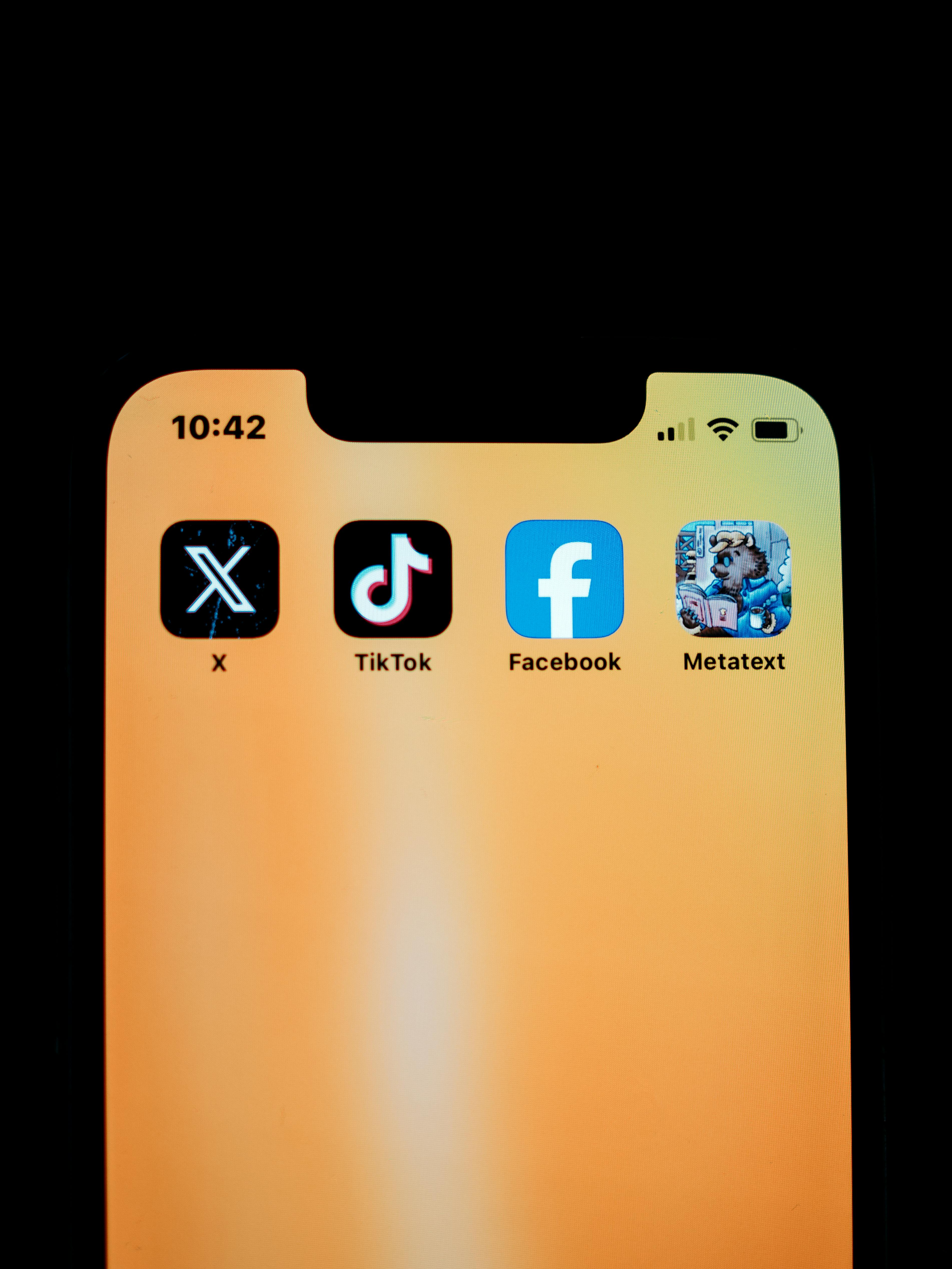
TikTok advertising on mobile device
The shift fundamentally alters how dating brands can experiment with new channels. Custom Identity allowed apps to test ad creative, refine targeting, and measure return on ad spend without building an organic presence. That's the traditional playbook: start with paid, validate the channel economics, then layer in content strategy if the numbers work.
TikTok is inverting that model. Brands must now commit to maintaining a verified account — complete with profile content, community responses, and ongoing creative production — before they can assess whether paid advertising delivers acceptable unit economics.
According to TikTok's implementation guidance, advertisers must establish an organisation account, link it through Business Centre, assign roles, and activate Spark Ads tied to their brand identity. The resource implications are immediate.
A credible TikTok presence requires regular posting, trend awareness, and rapid response to cultural moments — not quarterly campaign bursts managed by a performance marketing team. Dating brands will need dedicated social teams with platform-specific expertise, or risk looking tone-deaf in an environment where inauthenticity is algorithmically punished.
Transparency Creates Competitive Exposure
What dating operators really lose is opacity. Anonymous advertising allowed brands to test provocative creative, experiment with age-specific targeting, and iterate on messaging without exposing their strategies to competitors or users. A verified account makes everything visible.
Rival operators will now see exactly which dating apps are advertising, what creative approaches they're testing, and which demographics they're prioritising. Users searching for a brand will land on its full ad library. Trust and safety teams at competing platforms will have clearer visibility into how rivals position themselves on TikTok versus their own apps.
Social media content creation workspace
That transparency cuts both ways. TikTok frames the change as improving user trust by clarifying who's behind paid content — a positioning that aligns with broader regulatory pressure around advertising disclosure. The UK Online Safety Act and EU Digital Services Act both emphasise transparency in targeted advertising, particularly for services accessed by minors.
Performance data may provide some justification for the operational burden. TikTok claims that internal testing showed 59.3% of advertisers experienced at least a 10% reduction in cost per acquisition after linking accounts. But that figure comes from TikTok's own backend analysis and likely reflects selection bias — the advertisers who voluntarily linked accounts during testing were probably more committed to the platform overall.
The Gen Z Dependency Problem
Dating brands face a structural challenge: they need TikTok more than TikTok needs them. The platform has become the primary discovery mechanism for Gen Z singles researching dating apps.
Bumble disclosed in its Q3 2024 earnings that marketing spend was shifting toward 'culturally relevant platforms', a coded reference to TikTok's growing importance. Hinge, Match Group's fastest-growing brand, has built much of its positioning through organic TikTok virality around its 'designed to be deleted' messaging. Feeld maintains an active presence despite being a niche platform, recognising that TikTok's algorithm can surface specialist dating apps to precisely targeted micro-audiences.
Operators who've delayed building TikTok content capabilities now face a compressed timeline. Establishing a credible presence takes months of iteration, not weeks of campaign planning. Brands that wait until early 2026 to start posting will enter advertising mode with thin profiles and minimal organic reach — exactly the profile that signals inauthenticity to TikTok's audience.
Digital marketing analytics and strategy
The alternative is retreating to platforms that still permit anonymous testing, but those options are narrowing. Meta requires business accounts for most ad types. Google's search advertising is tied to visible landing pages. Programmatic display allows more opacity, but delivers increasingly poor results for app installs.
What's left for dating brands unwilling to maintain public TikTok accounts is a shrinking set of performance channels with deteriorating efficiency, at precisely the moment when customer acquisition costs across the industry are rising. Match Group's Q4 2024 results showed marketing as a percentage of revenue climbing to 32%, up from 28% the prior year. Bumble's spent the past three quarters rebuilding brand awareness after years of underinvestment.
The forced choice TikTok is imposing will likely accelerate consolidation around a smaller number of dating brands with the resources to maintain culturally relevant presences across platforms. Smaller operators and new entrants, already struggling with CAC economics, face an additional fixed cost that doesn't scale with revenue. That's a feature, not a bug, from TikTok's perspective — verified brands with serious content operations are better long-term partners than transient advertisers testing performance campaigns. As TikTok's evolving platform continues to reshape traditional digital marketing, dating apps must adapt or risk being left behind.
Dating brands must decide now whether to build dedicated TikTok content teams or accept being locked out of Gen Z's primary discovery channel — waiting until 2026 means entering with no credibility
The end of anonymous testing fundamentally changes channel economics by requiring upfront investment in organic presence before advertising ROI can be validated
Expect industry consolidation to accelerate as smaller dating apps struggle to justify the fixed costs of maintaining authentic presences across multiple demanding social platforms