Indian Singles Set Deadlines. Dating Apps Face a Retention Crisis.
·5 min read
37% of 7,583 QuackQuack users now impose "sunset clauses" on dating app use—predetermined time limits of six to twelve months before reassessing their strategy
Match Group reported Tinder's average revenue per user declined year-on-year in Q4 2024, partly due to shorter subscription durations in key markets
Users aged 22 to 35 increasingly screen matches based on career compatibility and professional trajectory rather than just shared interests
Sunset clauses represent user-imposed churn targets that could halve lifetime value if twelve-month limits replace two-year passive subscriptions
Indian singles are putting deadlines on their dating app use—and the implications for an industry built on infinite engagement could be significant. According to a survey of 7,583 users by QuackQuack, more than a third now treat dating apps as time-bound tools with expected outcomes rather than ambient background utilities. That shift, if it spreads beyond India, strikes directly at the engagement metrics that underpin dating app business models.
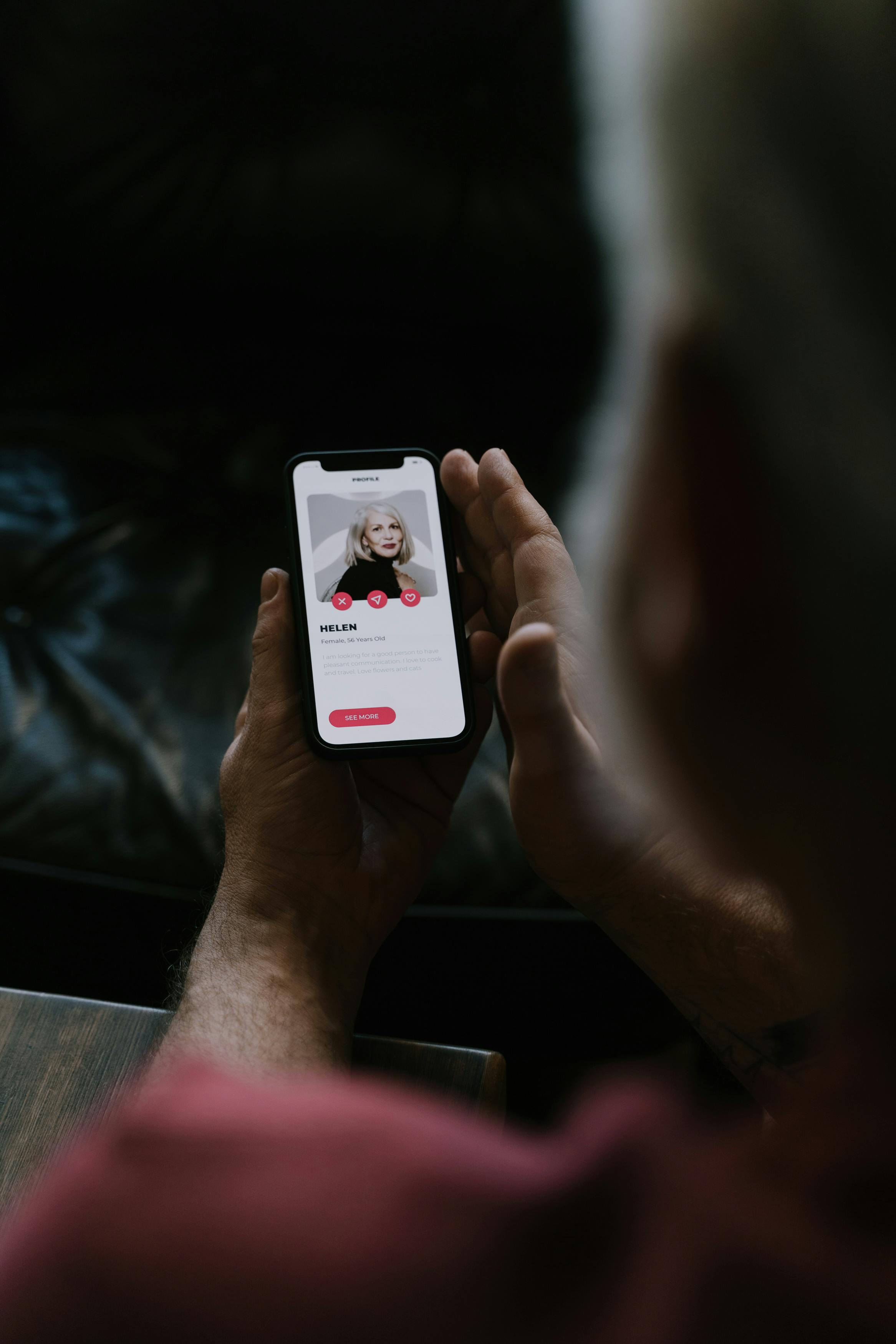
Person using dating app on smartphone
The DII Take
This is app fatigue manifesting as user-imposed churn targets. Whether sunset clauses actually improve dating outcomes is beside the point—what matters is that more than a third of users on one platform now view indefinite app usage as a failure state worth avoiding. That's a retention problem dressed up as intentionality, and it should concern every operator whose valuation depends on prolonged subscriber lifetime value.
The real question isn't whether this trend is good for users. It's whether dating apps can survive an audience that's decided time-on-platform is inversely correlated with success.
The engagement problem no one wants to solve
Dating apps have always faced a structural paradox: their product works best when users leave. A successful match means lost subscribers. Match Group (MTCH) has navigated this by building a portfolio that captures users across lifecycle stages, betting that someone who finds a partner on Hinge might return to Tinder after a breakup.
Enjoying this article?
Join DII Weekly — the dating industry briefing, delivered free.
But both models assume eventual return. Sunset clauses suggest something more permanent: users who've decided that prolonged app usage signals dysfunction rather than diligence. If that perception takes hold, the entire model of optimising for daily active users and time-in-app starts to look misaligned with what subscribers actually want.
QuackQuack's CEO Ravi Mittal told press that this intentionality "started from 2024" and would "peak this year"—claims that sound more like positioning than analysis. The survey itself offers no data on whether sunset clause adopters actually achieve better outcomes, or whether they simply delete apps and try something else after their self-imposed deadline passes.
What the survey does show is that career compatibility has become a meaningful filter. Users increasingly screen matches based on professional trajectory and work rhythms, not just shared interests or physical attraction. That aligns with what Tinder reported in its Year In Swipe analysis: clarity and directness now rank as non-negotiable traits, whilst ambiguity kills momentum before a first date.
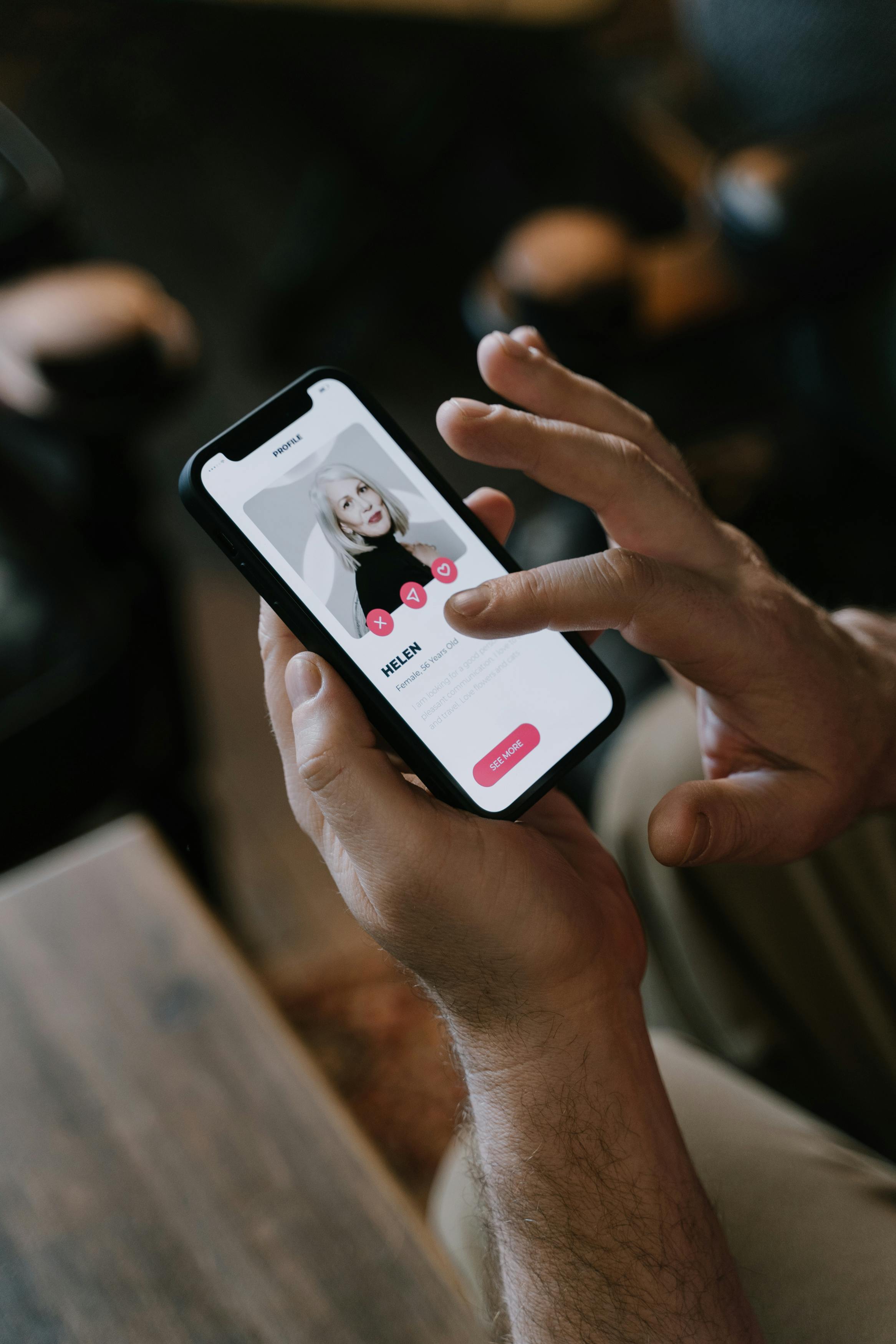
Young professionals reviewing dating profiles
Business model collision ahead
The immediate concern for operators is what happens to revenue when users treat apps as sprint tools rather than marathon platforms. Subscription models depend on renewal. The longer someone stays subscribed—even if they're not actively dating—the higher their lifetime value.
A subscriber who sets a twelve-month limit and sticks to it represents half the revenue of someone who drifts along for two years.
Worse, sunset clauses could accelerate the trend toward transactional rather than subscription revenue. If users view their app tenure as finite, they're less likely to commit to quarterly or annual plans. That pushes them toward monthly billing or pay-per-feature models, both of which generate lower margins and create choppier cash flow.
Match Group disclosed in its Q4 2024 earnings that Tinder's average revenue per user had declined year-on-year, partly due to shorter subscription durations in key markets. Bumble has reported similar pressure on subscriber retention, particularly among users outside the US. Neither company has publicly connected these trends to intentionality or time-limited usage, but the pattern fits: users are shortening their commitment horizons.
For smaller operators like QuackQuack, which lack the portfolio diversification of Match or the venture backing that once cushioned Bumble, the problem is more acute. A regional app can't easily pivot to adjacencies or cross-sell users into other products. If sunset clauses become the norm, retention becomes existentially difficult.
What this means for product teams
The strategic response for dating apps isn't obvious. Operators could try to fight the trend—designing features that encourage longer engagement, or offering discounts for extended subscriptions. But that risks looking cynical, particularly if users have already decided that prolonged usage equals failure.
The alternative is to lean into it: design explicitly for efficiency, market apps as tools that work quickly, and rebuild business models around higher prices for shorter, more effective tenures. That's essentially what LinkedIn did when it shifted from passive networking to active job search—a pivot that required rethinking both product and pricing.
Dating app interface on mobile device
Some platforms are already moving in this direction. Hinge has positioned itself around "designed to be deleted" since 2018, though its revenue model still depends on subscription renewals. Newer entrants like Thursday, which limits activity to one day per week, have experimented with scarcity-driven engagement.
Whether sunset clauses spread beyond India depends partly on cultural factors—attitudes toward dating app usage vary significantly across markets—and partly on whether users see them as effective. If the behaviour produces better outcomes, expect copycats. If it's just another form of attrition with better branding, it'll fade.
What won't fade is the underlying tension: users increasingly want dating apps to work faster, whilst dating apps need them to stick around longer. That's not a product problem. It's a business model problem, and the industry hasn't solved it yet.
Dating apps face a fundamental business model crisis: users now equate prolonged platform usage with failure, creating direct conflict with subscription revenue models dependent on extended lifetime value
Watch whether sunset clauses spread beyond India to other markets—if they do, expect accelerated shift from subscription to transactional revenue models with lower margins and increased pressure on smaller operators without portfolio diversification
The industry must choose between fighting user intentionality through engagement features or rebuilding around efficiency-focused products with higher prices for shorter tenures—middle-ground strategies will likely satisfy neither users nor shareholders