

Grindr's HIV Test Kit Distribution: Public Health or PR Play?
Key Points
- •Building Healthy Online Communities facilitated the distribution of over 500,000 free at-home HIV test kits via dating apps between 2023 and early 2025.
- •A survey conducted by Building Healthy Online Communities revealed that 22 per cent of dating app users had never previously taken an HIV test.
- •Grindr served as the primary commercial distribution partner for the health initiative alongside other digital platforms targeting sexually active populations.
- •While 77 per cent of surveyed users expressed interest in app-based testing, overall test completion rates remain undisclosed by operators and public health partners.
Dating apps have quietly become one of America's largest HIV testing distributors, delivering more than half a million test kits in just over two years through infrastructure built by Building Healthy Online Communities (BHOC). What started as a pilot programme has evolved into permanent healthcare delivery infrastructure embedded inside commercial platforms designed primarily to sell premium subscriptions. The scale rivals—and often exceeds—what many regional public health systems achieve annually.
This represents a fundamental shift in how sexual health services reach populations that traditional healthcare routinely fails to serve. Users order free kits through in-app prompts positioned near profile settings, receiving unmarked packages by post within days. The friction points that make clinic visits prohibitive—time, transport, unwelcoming healthcare environments—simply disappear.
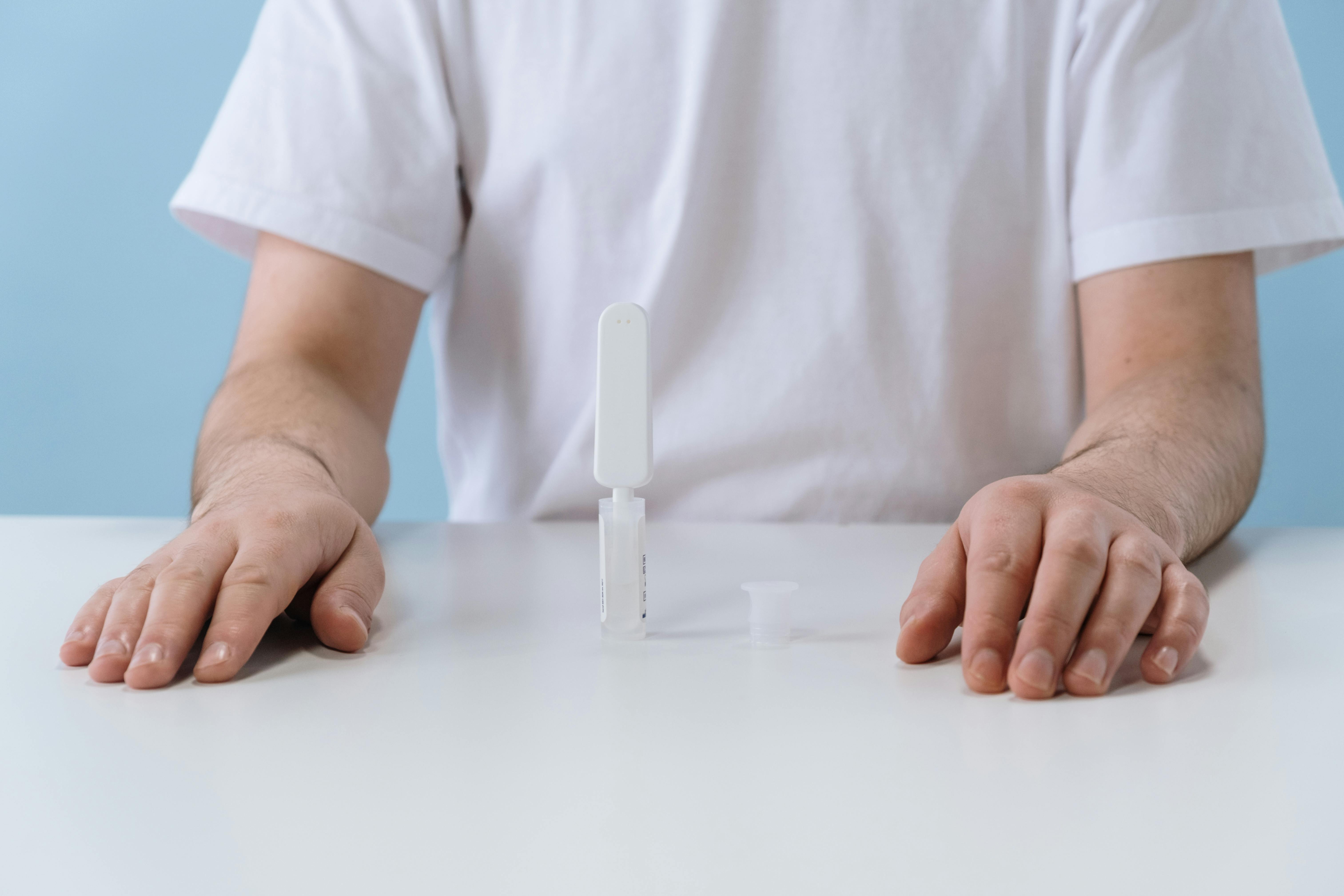
This isn't corporate social responsibility theatre. It's dating apps quietly assuming a role that belongs to public health systems—and doing it at a scale most NHS trusts and CDC programmes would struggle to match.
The question isn't whether this is effective distribution—clearly it is. The question is what happens when commercial platforms become the primary healthcare touchpoint for populations that traditional services routinely fail to reach. That creates dependencies worth scrutinising, particularly when those platforms answer to shareholders rather than patients.
Create a free account
Unlock unlimited access and get the weekly briefing delivered to your inbox.
Why apps, why now
The gap is larger than it should be. According to data disclosed by BHOC, 22% of dating app users in their survey sample reported never having tested for HIV—despite being actively engaged in meeting sexual partners through digital platforms. These aren't disconnected demographics. They're people sophisticated enough to use apps, yet still missing basic sexual health infrastructure.
Traditional testing relies on clinic visits, which require time, transport, and a willingness to navigate healthcare systems that remain unwelcoming to many LGBTQ+ users. Apps eliminate those friction points. A user can order a kit in the same session they swipe through profiles. The test arrives within days.
For populations facing clinic access barriers—rural users, those without insurance, men who have sex with men in regions with limited LGBTQ+ health services—this matters. Timing is not coincidental. Public health budgets across the UK and US have contracted sharply since 2020, with sexual health services taking disproportionate cuts.

Clinic closures have accelerated. The infrastructure gap has widened precisely as apps have expanded their user bases and engagement metrics. What BHOC has built is a distribution channel that scales with user growth, not public funding cycles.
Grindr's motivation is straightforward. The company has positioned sexual health tools as a core platform feature since at least 2018, when it added HIV status fields to profiles. Integrating test kit ordering extends that positioning whilst generating goodwill with regulators increasingly focused on duty of care obligations. BHOC provides the public health credibility and handles logistics; Grindr provides the user base and the in-app real estate.
The commercialisation question
This creates a business model worth examining. Dating apps monetise attention and conversion to premium subscriptions. Sexual health features don't directly generate revenue, but they do increase legitimacy and potentially retention. A platform that helps users test is a platform that can claim it's solving real problems, not just facilitating hookups.
The structure matters. BHOC procures test kits through partnerships with manufacturers and public health grant funding. Distribution is free to users. Apps provide the interface and the audience, but don't manufacture or handle test kits themselves. That keeps regulatory liability at arm's length whilst allowing platforms to claim they're supporting public health outcomes.
Data flows are murkier. Ordering data is anonymised before sharing with public health authorities, but apps retain user interaction data about health-seeking behaviour inside dating contexts—and it sits on commercial servers.
According to BHOC documentation, ordering data—who requested kits, when, and from which postcode—is collected but anonymised before sharing with public health authorities. Apps retain user interaction data: who saw the prompts, who clicked through, who abandoned the ordering process. That's valuable behavioural data about health-seeking behaviour inside dating contexts.
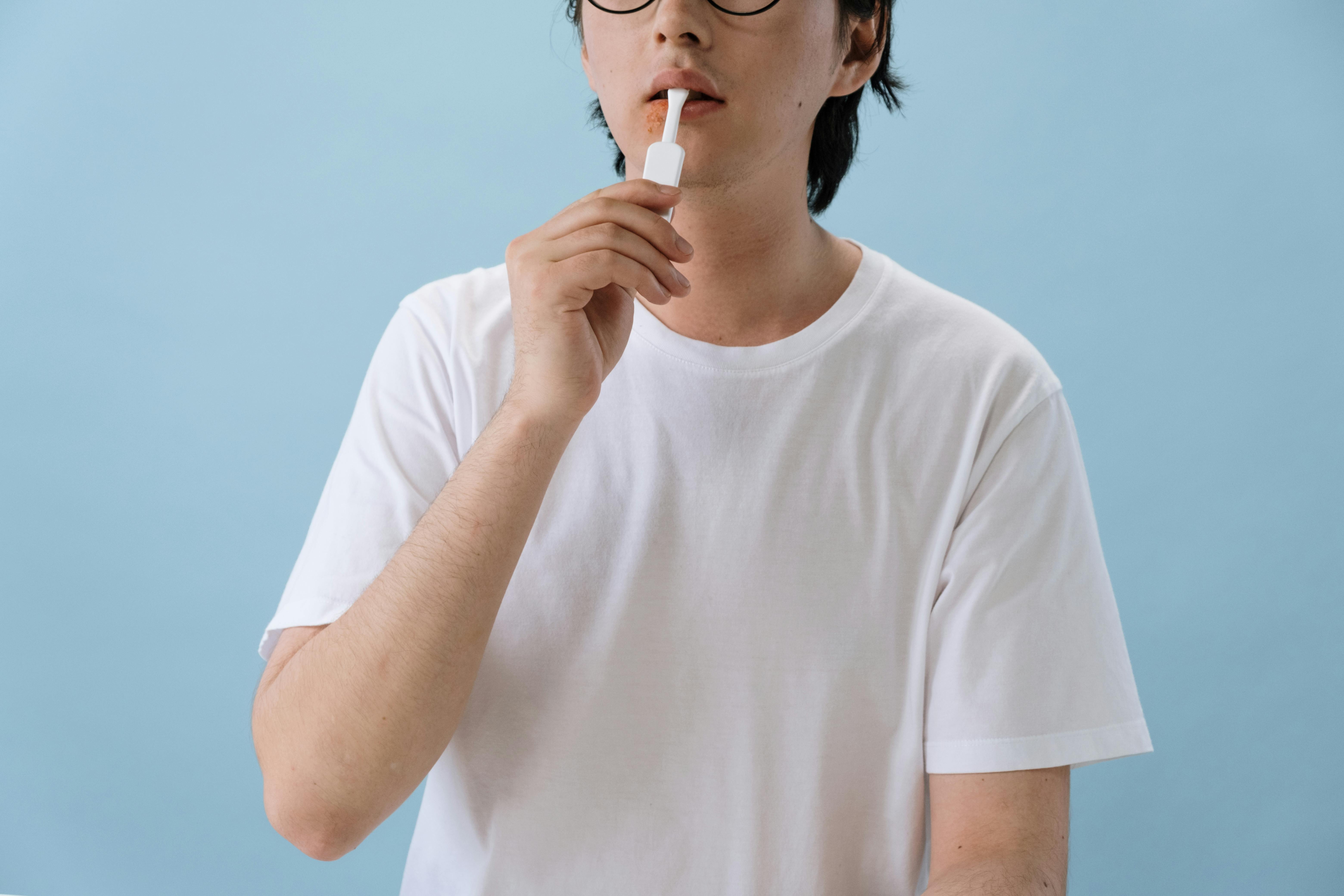
BHOC claims 77% of surveyed users would consider ordering a test kit through an app. Stated intent is not action. Conversion rates from prompt to completed order remain undisclosed, as do completion rates—how many of those 500,000 distributed kits were actually used, and how many sit in bathroom drawers. Distribution is a metric that flatters the programme. Testing completion is the metric that matters for public health outcomes, and that data hasn't been published.
The World Health Organization has endorsed self-testing as a strategy to increase HIV testing rates, particularly among men who have sex with men. That endorsement applies to the testing method, not specifically to app-based distribution channels. The distinction is relevant. WHO's position is that self-testing reduces barriers; it doesn't evaluate whether commercial dating platforms should be the primary distribution infrastructure.
What comes next
Other health interventions are already being piloted. Some apps have tested STI screening reminders, PrEP prescription referrals, and educational content about sexual health. The infrastructure BHOC built for HIV test distribution can be repurposed. If it works for one test, it works for others.
That raises dependency questions operators should be asking. If apps become the de facto sexual health service for millions of users, what happens when commercial priorities shift? Grindr is a publicly traded company with quarterly earnings pressure and investor expectations. Sexual health features don't appear in revenue breakdowns. They're marketing and user acquisition costs dressed up as public health partnership.
Regulators haven't yet treated this as health service provision, but the UK Online Safety Act (OSA) duty of care framework could shift that. If platforms are distributing healthcare products and collecting health-related data, compliance obligations may expand beyond content moderation into areas closer to clinical governance. The European Union's Digital Services Act (DSA) similarly requires platforms to mitigate systemic risks, which could plausibly include health risks if apps position themselves as health service touchpoints.
The infrastructure already exists. Half a million test kits have been distributed, with ordering flows embedded in apps that tens of millions of people use weekly. Whether this becomes permanent public health infrastructure or a programme that fades when grant funding runs out will depend on who's willing to fund it, and whether apps decide sexual health features are worth maintaining when investor patience for non-revenue initiatives runs thin.
Key Takeaways
- •Dating app operators face potential regulatory exposure under the UK Online Safety Act and EU Digital Services Act if health features trigger clinical governance obligations.
- •Relying on commercial platforms like Grindr for public health delivery creates vulnerable infrastructure dependencies that remain subject to shifting investor priorities and corporate earnings pressure.
Frequently Asked Questions
Policy & Regulation Desk
The DII Regulatory Monitor tracks legislation, enforcement action, safety rules and compliance across dating industry markets.
Comments
Join the discussion
Industry professionals share insights, challenge assumptions, and connect with peers. Sign in to add your voice.
Your comment is reviewed before publishing. No spam, no self-promotion.


