Valentine's Day Loses Its Edge: Dating Apps Face a New Reality
·6 min read
39% of Happn users consider being single on Valentine's Day 'not very serious', marking a shift away from romantic urgency
January and summer now consistently outperform Valentine's Day for new registrations on dating platforms
Dating apps face mounting tension between user demand for slower, intentional matching and business models optimised for high-volume engagement
AI-generated profiles are driving a new trust crisis, with platforms implementing reactive reporting tools as generative AI makes fraud trivially easy
Valentine's Day 2025 failed to deliver the usual spike in dating app registrations, signalling a fundamental shift in how singles approach romantic pressure and platform engagement. Karima Ben Abdelmalek, CEO of Happn, revealed that the romantic holiday no longer moves the needle for user acquisition—a pattern with serious implications for an industry built on urgency-driven growth tactics. The data suggests singles are rejecting calendar-dictated dating in favour of personal timelines and intentional choices.
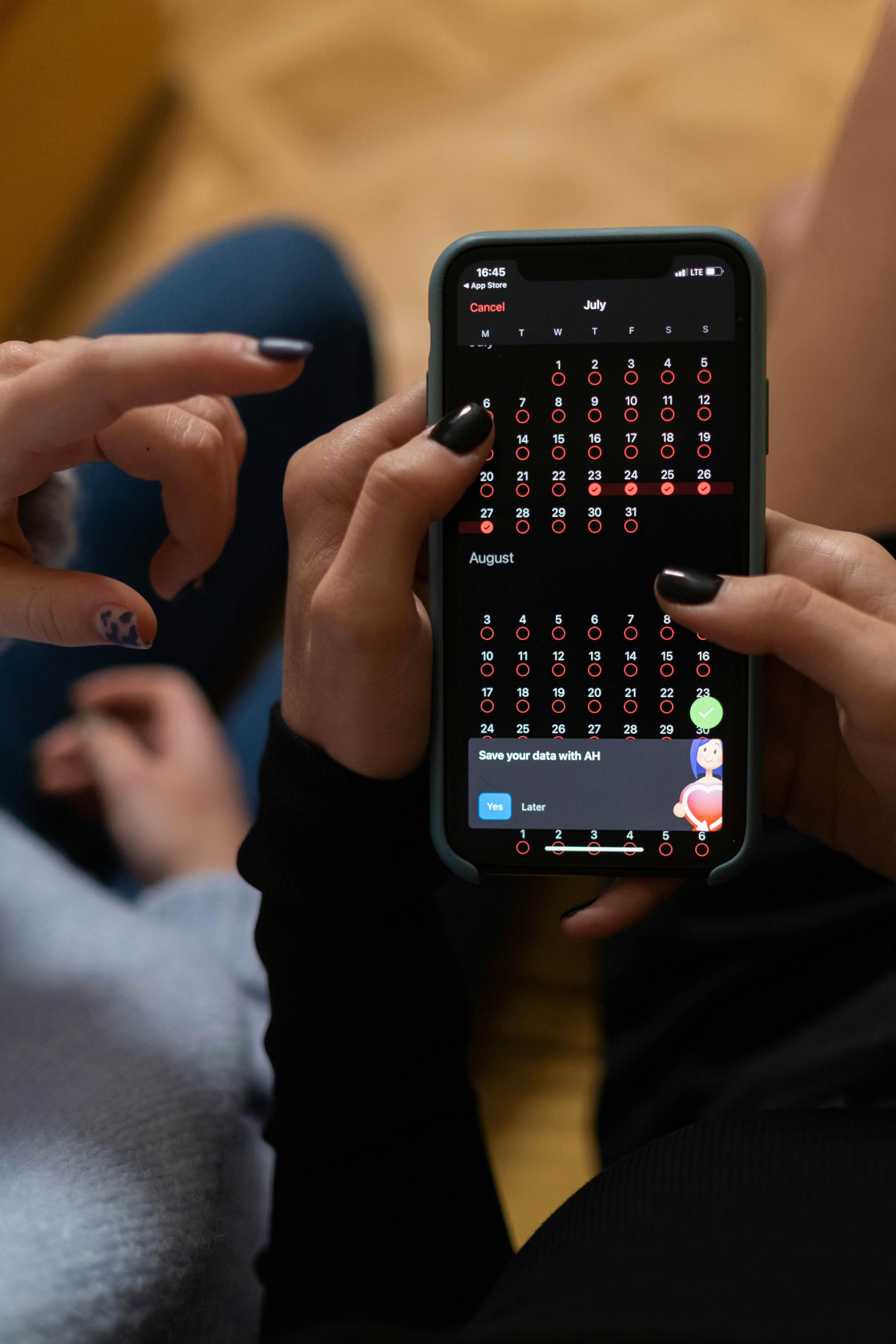
Person using dating app on mobile phone
Speaking to RMC on 14 February, Ben Abdelmalek revealed that an internal Happn survey found that 39% of respondents considered being single on Valentine's Day 'not very serious'. The company now sees its highest registration volumes in January and summer, driven by New Year resolutions and social opportunity rather than romantic pressure. The data point is narrow—Happn has not disclosed sample size, methodology, or demographic breakdown—but the pattern aligns with what operators across the industry have been seeing for at least two years.
Valentine's Day, once a reliable driver of urgency-fuelled sign-ups, no longer moves the needle. That matters commercially. Dating platforms have historically capitalised on romantic holidays to drive both new user acquisition and monetisation through premium features marketed around 'finding someone in time'. If that urgency is dissipating, the marketing playbook needs rewriting.
Enjoying this article?
Join DII Weekly — the dating industry briefing, delivered free.
The DII Take
This is evidence of post-desperation dating, and it's a headache for platforms still optimised for volume.
If singles are rejecting urgency and choosing 'assumed, chosen singlehood'—as Ben Abdelmalek put it—then apps built on FOMO and relentless engagement loops are misaligned with user sentiment. The winners will be those who can monetise intentionality and slower matching, not those still pushing swipe velocity.
January and summer: the new peak seasons
Happn reports that January now consistently outperforms Valentine's Day for new registrations. The driver, according to Ben Abdelmalek, is post-holiday family pressure combined with New Year resolution culture. Singles return from Christmas gatherings reminded of their relationship status and decide to act—but on their own timeline, not a calendar dictated by greeting card companies.
Summer follows as the second major peak. The reasoning is practical: longer days, outdoor socialising, and a lighter social calendar make meeting people feel less effortful. These are life-transition moments, not romantic obligations. The shift suggests that dating app engagement is increasingly tied to personal agency rather than external pressure—a fundamental change in how people approach app usage.
Young people socializing outdoors in summer
For operators, this reframes acquisition strategy. If Valentine's Day no longer drives meaningful growth, marketing budgets allocated around mid-February need redirecting. January campaigns tied to self-improvement and summer messaging around social opportunity become higher ROI. The seasonality of dating hasn't disappeared; it's just moved.
Intentional dating meets thin margins
The broader challenge is how to monetise users who are explicitly rejecting urgency. Ben Abdelmalek framed Happn's positioning around 'slower, intentional connections', emphasising shared interests and real-life crossed paths over rapid swiping. That sounds appealing to fatigued users, but it's a difficult business model. Slower engagement typically means lower session frequency, fewer messages, and reduced conversion to paid features.
Match Group (MTCH) has spent the past two years struggling with paying subscriber retention as users express dissatisfaction with match quality and overwhelming choice. Bumble (BMBL) has attempted to reposition around 'intentional dating' through features like Opening Moves and profile prompts, but has yet to demonstrate that the strategy drives revenue growth. Grindr (GRND) remains the outlier, sustaining strong ARPU through premium tiers and in-app purchases, but operates in a distinct market with different engagement patterns.
Happn's algorithmic approach—prioritising location-based 'crossed paths' and shared interests—naturally constrains the volume of potential matches. That aligns with what users say they want, but it also limits the urgency to pay for premium visibility or unlimited likes. The company has not disclosed recent financial performance, but the inherent tension between user satisfaction and monetisation is industry-wide.
Platforms optimised for high-volume swiping and dopamine-driven engagement face the most acute risk.
If singles are genuinely moving toward selective, slower matching, then apps still pushing 'see more profiles' as their primary value proposition are selling a product the market is rejecting.
AI authenticity and the trust crisis
Ben Abdelmalek also highlighted rising concern over AI-generated profiles, noting that Happn has introduced a reporting feature specifically for accounts suspected of using AI images. The concern is practical: when profile photos don't match real-life appearances, user trust collapses quickly. This is the latest front in the industry's ongoing trust crisis, which has already driven increased regulatory scrutiny and user churn.
Smartphone displaying social media profile
Generative AI tools have made creating convincing fake profiles trivially easy. Operators are scrambling to implement detection systems, but the arms race favours the fraudsters. Happn's response—a user-facing reporting tool—is reactive rather than preventative, and relies on members to identify AI profiles themselves. That places the burden on users rather than the platform.
The authenticity problem compounds the shift toward intentional dating. If users are slowing down and becoming more selective, they're also becoming less tolerant of wasted time on fake accounts or catfishing. Trust and safety investment is no longer a regulatory checkbox; it's a product differentiator. Platforms that fail to solve for authenticity will lose the users most willing to pay for quality experiences.
The regulatory angle is also tightening. The UK Online Safety Act (OSA) places liability on platforms for user-generated content, including fraudulent profiles. The EU Digital Services Act (DSA) mandates transparency around algorithmic recommendations and content moderation. Dating operators face rising compliance costs precisely as they attempt to shift toward lower-volume, higher-quality user experiences. The margins are getting thinner.
What comes next
If Valentine's Day has genuinely lost its pull—and the pattern holds across platforms beyond Happn—then the dating industry is entering a phase where urgency-driven growth tactics no longer work. That's a fundamental business model challenge for apps still optimised for swipe volume and engagement frequency.
The platforms best positioned are those already investing in match quality, trust mechanisms, and differentiated experiences that reward selectivity. Niche apps with strong community identity and clear value propositions will likely benefit. Mainstream swipe apps relying on scale and network effects face the harder pivot.
Operators should watch whether January and summer peaks hold in 2026 data, and whether other platforms report similar Valentine's Day declines. If the trend is sector-wide, marketing calendars and product roadmaps need adjusting. The era of dating app engagement driven by romantic obligation appears to be ending. What replaces it will determine which platforms survive the next phase of consolidation.
Dating platforms must redirect marketing spend from Valentine's Day to January and summer peaks, where user acquisition is driven by personal agency rather than romantic pressure
The shift toward intentional, slower matching creates a fundamental monetisation challenge for apps built on high-volume engagement—expect consolidation to accelerate as mainstream swipe apps struggle to pivot
AI-generated profiles combined with tightening regulations (UK OSA, EU DSA) mean trust and authenticity are no longer optional features but core product differentiators that will separate winners from losers