TikTok's US Transition: Technical Chaos or Convenient Cover?
·7 min read
TikTok USDS Joint Venture LLC assumed control of American operations on 22nd January 2026, with Oracle, Silver Lake, and MGX taking majority ownership whilst ByteDance retains a minority stake
Three days after the handover, the platform experienced cascading systems failures including delayed posts, zeroed view counts, and missing creator earnings
High-profile creators reported specific difficulties posting content on politically sensitive topics during the technical disruption
Dating and relationship content creators represent a substantial portion of TikTok's monetisation ecosystem and are particularly vulnerable to payment system failures
The timing could hardly be worse. Three days after TikTok USDS Joint Venture LLC took control of American operations, the platform descended into technical chaos—delayed posts, zeroed view counts, missing creator earnings, and timed-out requests. The company's explanation about a power outage triggering cascading systems failures has created a credibility gap it cannot bridge with technical jargon alone.
According to statements from the TikTok USDS account on X, the venture has made significant progress in recovering infrastructure but acknowledged ongoing technical issues. High-profile creators reported something more specific: difficulties posting content on politically sensitive topics. That detail, combined with the transition to majority American ownership by Oracle, Silver Lake, and MGX—whilst ByteDance retains a minority stake—has users questioning the official narrative.
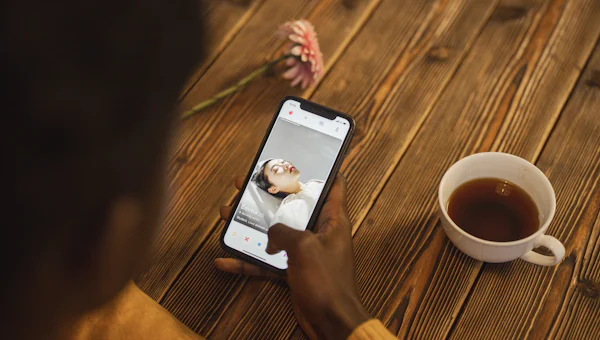
Social media platform technical difficulties on mobile device
Users and creators cannot independently verify whether their content issues stem from genuine infrastructure failures or policy changes implemented during the ownership handover. That opacity is the problem. When a platform facing years of scrutiny over Chinese government influence suddenly experiences cascading systems failures the moment American investors take control, explanations about power outages sound suspiciously convenient.
Enjoying this article?
Join DII Weekly — the dating industry briefing, delivered free.
The DII Take
This matters for dating and relationship creators because TikTok's creator economy depends entirely on trust—and that trust has evaporated.
Whether these disruptions are genuinely technical or not is almost irrelevant now. The platform fumbled its most critical transition by failing to get ahead of the narrative, and creators watching their earnings disappear won't wait around for Oracle to fix the power supply. Dating operators should be watching where these creators migrate next, because wherever TikTok's relationship content goes, user acquisition opportunities follow.
When infrastructure problems look like policy changes
The technical issues TikTok describes are real enough. Videos displaying zero views or likes, creator dashboards showing missing earnings, and delayed posting all align with database synchronisation failures following a major infrastructure incident. What strains credibility is the pattern of complaints: creators specifically reporting difficulties with posts on politically charged topics during a transition designed to address content moderation concerns.
TikTok has denied implementing deliberate censorship, with spokespeople stating that videos related to reported events remain available. The company characterised message restrictions on certain keywords as glitches under investigation. Database corruption following a power event could absolutely cause unpredictable content filtering behaviour as systems struggle to sync moderation rules across distributed infrastructure.
Content creator reviewing analytics and platform performance data
The problem isn't whether that explanation is technically plausible—it is. The problem is that TikTok spent years being accused of Chinese government influence over content moderation, underwent a forced restructure specifically to address those concerns, then immediately experienced content issues that look exactly like what regulators feared. Perception isn't always reality, but in trust and safety, perception drives user behaviour just as powerfully as facts.
The creator economy calculus
Dating and relationship content creators represent a substantial portion of TikTok's monetisation ecosystem. These aren't hobbyists posting for reach—they're professionals building businesses on dating advice, relationship commentary, and singles-oriented lifestyle content that drives meaningful engagement and, crucially, revenue.
Missing creator earnings hit this cohort particularly hard. According to multiple creator reports on social media, dashboard analytics showed earnings vanishing or failing to update during the disruption period. TikTok hasn't disclosed the financial scale of the discrepancy or provided a timeline for reconciliation. For creators operating on thin margins, even temporary payment issues create immediate cashflow problems.
The competitive context matters here. YouTube Shorts and Instagram Reels have been aggressively courting TikTok creators for months, particularly as the platform's US regulatory situation deteriorated throughout 2025. Both Meta and Google have creator funds and revenue-sharing programmes designed to absorb exactly this kind of platform exodus. Instagram specifically has been pushing dating and relationship creators hard, recognising their value in driving engagement amongst singles—a demographic Meta has struggled to monetise effectively since Facebook Dating's underwhelming performance.
Platform instability during a sensitive ownership transition gives competitors a perfect opening. Creators don't need certainty that TikTok is implementing new content restrictions—they just need enough doubt to justify diversifying their platform mix.
What infrastructure handovers actually look like
Major platform transitions don't usually produce multi-day outages affecting core functionality. When Microsoft acquired LinkedIn in 2016, when Salesforce bought Slack in 2021, when Oracle itself took on hosting responsibilities for various enterprise platforms—users experienced minimal disruption because the acquiring parties planned obsessively for continuity.
TikTok USDS Joint Venture LLC's transition appears to have gone differently. The venture involved not just an ownership change but a fundamental restructuring of data architecture to satisfy US national security requirements, likely including data segregation, new access controls, and revised content moderation workflows. According to the company's statements, the power outage occurred at a data center partner facility, suggesting reliance on third-party infrastructure during this sensitive period.
Data centre infrastructure and server management systems
That raises uncomfortable questions about preparation. Did the venture adequately stress-test failover systems before assuming operational control? Were database replication protocols properly validated? Had the team mapped dependencies between content delivery, moderation systems, and creator payment infrastructure? These aren't rhetorical exercises—they're the basics of platform reliability engineering.
The extended recovery timeline suggests either inadequate redundancy planning or complications arising from the new ownership structure's technical requirements. Either way, it reflects poorly on entities that include Oracle, a company that built its reputation on database reliability and enterprise infrastructure management.
Where trust goes from here
TikTok's technical explanation may ultimately prove accurate. The company may release detailed incident post-mortems demonstrating conclusively that a genuine power failure caused legitimate database corruption with no policy changes whatsoever. Creators may receive full reconciliation of missing earnings. The platform may return to complete stability within days.
None of that will matter if creators have already left. The dating and relationship content vertical is particularly vulnerable to platform shifts because these creators typically maintain presences across multiple platforms already—their audiences follow them to Instagram, YouTube, even emerging platforms like Clapper or Triller if the content remains consistent.
What operators should watch is where relationship content engagement concentrates over the next fortnight. If Instagram Reels suddenly shows increased dating advice video performance, if YouTube Shorts sees upticks in relationship commentary channels, those shifts indicate creator migration that won't reverse even after TikTok stabilises. Platform loyalty in the creator economy is transactional, not emotional. When payment systems fail and content posting becomes unreliable during a controversial ownership transition, creators make cold calculations about where their businesses are safest.
The broader question is whether any explanation TikTok offers can overcome the credibility damage from this timing. Regulatory pressure forced the sale specifically because American lawmakers didn't trust ByteDance's content moderation independence. Three days into American majority ownership, content issues emerge that look exactly like what regulators feared—just potentially from a different direction. That's not a technical problem the company can patch its way out of.
Watch for dating and relationship creator migration patterns over the next two weeks—shifts to Instagram Reels or YouTube Shorts signal permanent platform diversification that won't reverse even after technical stability returns
The credibility damage from this timing may prove more significant than the technical issues themselves—TikTok underwent forced restructuring to address content moderation concerns, then immediately experienced problems that resemble exactly what regulators feared
Creator platform loyalty is transactional rather than emotional—when payment systems fail and posting becomes unreliable during controversial transitions, professionals make cold calculations about business safety regardless of technical explanations