TikTok's Paper Planner: A Blueprint for Dating Apps Dodging Regulation
·6 min read
TikTok has launched a printable weekly planner to help families discuss screen time, marking a shift from purely digital wellbeing tools
Match Group disclosed in Q3 2024 that compliance investments contributed to elevated operating costs, whilst Bumble flagged trust and safety expenditure as a margin pressure point in Q2 2024
Bumble's share price has declined 76% from its February 2021 IPO as investors question differentiated positioning
The Online Safety Act and Digital Services Act impose obligations on platforms around protecting younger users from addictive design patterns
Match Group and Bumble executives should pay attention to TikTok's latest digital wellbeing initiative—not because it's innovative, but because it's a retreat. The platform has just launched a printable weekly planner to help families discuss screen time, and the subtext is impossible to miss: after years of in-app controls, one of the world's most scrutinised platforms for teen safety is admitting that solving digital addiction might require getting offline entirely. For dating operators already fielding criticism about addictive design patterns, infinite swiping, and dopamine-engineered notification strategies, this presents an uncomfortable question.
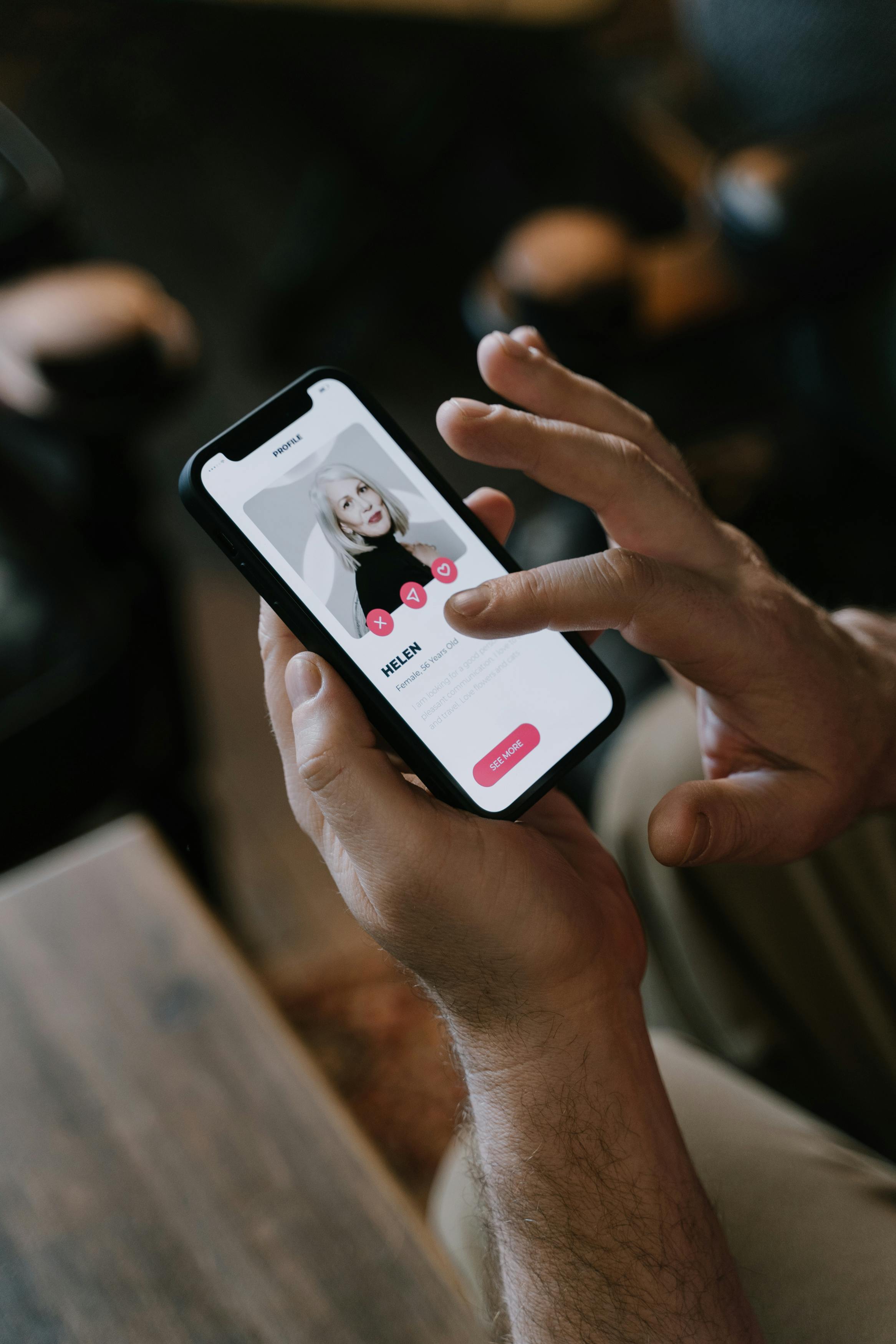
Person using mobile device with social media interface
The DII Take
This isn't just a quirky PR stunt—it's a roadmap for how platforms can respond to regulatory pressure without actually changing core product mechanics. TikTok's 'For You Calendar' costs nothing to produce, generates goodwill coverage, and sidesteps the thorny debate about algorithmic manipulation entirely by shifting responsibility to parents. Dating platforms facing similar scrutiny around engagement maximisation and user wellbeing should be watching closely, though copying the approach wholesale would expose just how little appetite exists for genuinely reducing session times.
When digital solutions to digital problems stop working
TikTok's move to physical planning tools follows years of expanding in-app controls. The platform has deployed screen time limits for under-18s, implemented Family Pairing features allowing parental oversight, and introduced break reminders after extended sessions. According to the company's January 11th announcement, the calendar—created with illustrator Linda Tong—is designed to facilitate 'open conversations about balance' rather than function as another control mechanism.
Enjoying this article?
Join DII Weekly — the dating industry briefing, delivered free.
The dating industry has followed a similar trajectory. Hinge repositioned itself as 'designed to be deleted', though its parent company Match Group's revenue depends on subscription retention, not deletion success. Bumble introduced 'Opening Moves' and conversation prompts designed to reduce ghosting and improve match quality. Both remain entirely in-app initiatives that still rely on daily active usage to drive shareholder value.
What TikTok's paper calendar acknowledges—quietly but unmistakably—is that digital problems might not have digital solutions when the business model depends on engagement.
A printable planner doesn't compete with core product usage the way restrictive screen time limits do. It positions the platform as a wellbeing partner whilst leaving algorithmic recommendation engines untouched.
Dating platforms face precisely this tension. Tinder's swipe mechanism, Bumble's 24-hour message windows, and Hinge's 'Most Compatible' daily notification are all designed to create habit loops and maximise time in-app. Layer on push notifications, streak mechanics, and profile visibility algorithms that reward frequent engagement, and the product architecture is fundamentally at odds with claims of prioritising relationship outcomes over session duration.
Calendar and planner on desk for time management
Regulatory pressure meets revenue reality
The timing of TikTok's announcement isn't coincidental. The platform faces ongoing regulatory scrutiny in both the UK and EU, with the Online Safety Act and Digital Services Act imposing significant obligations around protecting younger users from addictive design patterns. A physical planning tool doesn't satisfy these regulatory requirements, but it does demonstrate 'ongoing efforts to address concerns'—TikTok's framing, not ours—without materially impacting how the core product functions.
Dating platforms are experiencing their own regulatory reckoning. The OSA's duty of care provisions apply to any platform facilitating user interaction, including dating services. Match Group disclosed in its Q3 2024 earnings call that compliance investments were contributing to elevated operating costs. Bumble's Q2 2024 results similarly flagged trust and safety expenditure as a margin pressure point, with CEO Lidiane Jones noting investments in verification systems and content moderation.
But regulation has largely focused on reactive safety measures—verification, reporting mechanisms, content moderation—rather than proactive design choices that might reduce time spent swiping. There's no regulatory framework yet that penalises infinite scroll mechanics or dopamine-optimised notification strategies in dating apps, despite industry critics arguing these features gamify human connection in ways that mirror social media's most criticised elements.
A paper-based relationship planning tool would generate similar goodwill for dating platforms without requiring changes to revenue-driving engagement mechanics.
It would also shift responsibility to users to self-regulate their app usage, rather than platforms building friction into the core experience.
What actually changes
The cynic's view is that TikTok's calendar is pure theatre: a low-cost initiative that generates positive coverage whilst leaving the recommendation algorithm's influence on user behaviour completely intact. That view has merit. The calendar requires active parental engagement, assumes families already have open communication about screen time, and offers no mechanism for enforcement or measurement of effectiveness.
Dating platforms attempting similar offline tools would face the same critique. A printable date planner doesn't address why users spend hours swiping instead of messaging matches. A conversation starter card deck doesn't solve why apps incentivise quick judgements based on photos rather than encouraging deeper engagement before matching.
Couple planning together with calendar and devices
Still, the strategic logic is sound. Physical tools allow platforms to participate in the wellbeing conversation without sacrificing engagement metrics that drive valuations. They position companies as allies in healthy usage rather than architects of addictive systems. And they're cheap—TikTok's calendar is a PDF, not a feature requiring engineering resources or ongoing maintenance.
For dating operators, the question is whether anyone has the appetite for that level of performative wellbeing positioning when the industry's trust problem runs deeper. Match Group's quarterly disclosures show customer acquisition costs rising and paying user growth stagnating across most brands. Bumble's share price has declined 76% from its February 2021 IPO, with investors questioning whether the differentiated positioning ever translated to sustainable competitive advantage. Neither company is in a position to voluntarily reduce engagement when Wall Street is already questioning growth prospects.
The irony is that dating platforms might actually benefit from offline relationship tools more than social media would. A couple using a shared planning calendar to coordinate date nights still represents successful platform outcomes—relationships that persist beyond the app. TikTok faces no equivalent: less time on TikTok is simply less revenue, with no compensating narrative about facilitating real-world connection.
Whether dating executives recognise that opportunity, or simply file TikTok's family planner launch under 'interesting but not applicable', will reveal how seriously the industry takes its own rhetoric about designing for deletion and prioritising relationship success over session duration. Based on current product roadmaps, don't expect printable date planners from Match Group anytime soon.
TikTok's offline wellbeing tools represent a low-cost regulatory response strategy that dating platforms could adopt without changing engagement-driving product mechanics
Dating apps face a unique opportunity: offline relationship tools could support their 'designed to be deleted' positioning whilst maintaining revenue, unlike pure social media platforms
Watch whether Match Group or Bumble introduce similar physical planning tools in 2025—their absence will signal that wellbeing rhetoric remains subordinate to engagement metrics and Wall Street expectations