Snapchat's Location Alerts: A New Norm or a Dating Liability?
·4 min read
Snapchat's Home Safe feature recorded over 1 million activations in six months since July 2024 launch
This represents just 0.23% of Snapchat's 443 million daily active users
Feature now allows automated arrival notifications for any destination, not just home addresses
UK Online Safety Act and EU Digital Services Act would impose heightened scrutiny on automated location tracking in dating contexts
Snapchat's expansion of automated arrival notifications marks a watershed moment for location tracking in intimate relationships. The feature removes the friction of manual check-ins, but it also eliminates the agency that makes those check-ins meaningful. For dating platforms watching this development, the question isn't whether users want convenience—it's whether automation in high-stakes social contexts creates more problems than it solves.
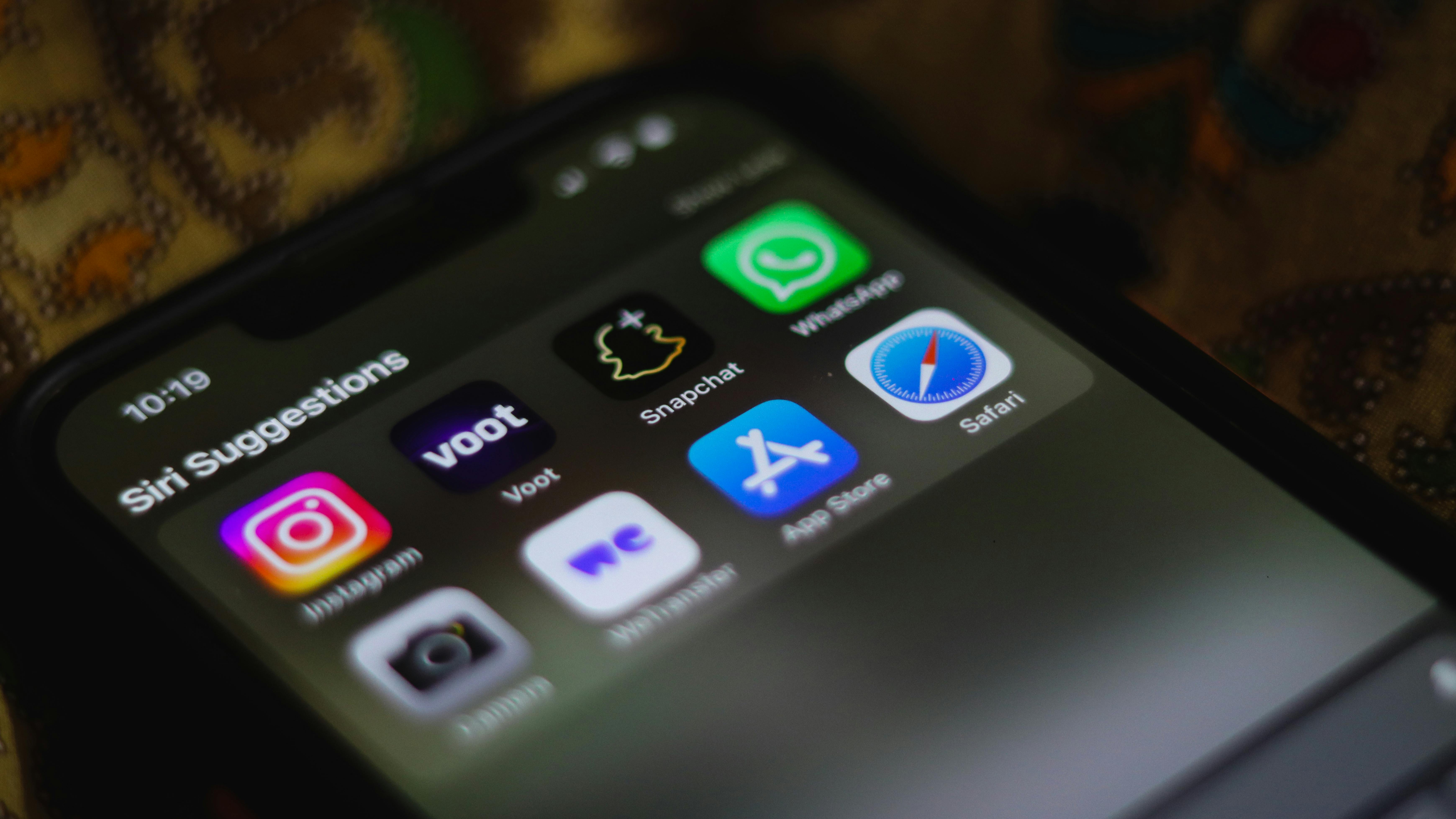
Person using smartphone with location services
From Safety Signal to Relationship Obligation
What Snapchat frames as convenience—'without needing to remember to send a message', according to the company's announcement—cuts both ways. Location sharing has become standard dating safety advice. Telling a friend where you're meeting someone new, sending a quick 'home safe' text after a date, sharing live location when meeting a stranger from an app—these are deliberate acts.
Automation removes that decision point. The feature doesn't distinguish between 'I want you to know I arrived' and 'I didn't actively choose not to tell you'. That gap matters in dating contexts, where the difference between thoughtfulness and obligation defines relationship health.
Enjoying this article?
Join DII Weekly — the dating industry briefing, delivered free.
When arrival notifications become the default, their absence becomes a statement. Forgot to set it up? Or chose not to?
This isn't really about Snapchat. Every major platform now offers location-sharing features, but dating apps have largely avoided baking them into the core experience, keeping safety tools adjacent rather than automatic. Snapchat's social architecture—designed for close networks, not broadcast—makes this stickier.
The Privacy Trade Snapchat Isn't Emphasising
Snapchat's messaging centres on control: location sharing via Snap Map remains off by default, users select specific friends to notify, and one-time alerts expire after 24 hours if unused. Recurring notifications can be configured for regular destinations—the kind of routine that develops once casual dating becomes something more structured.
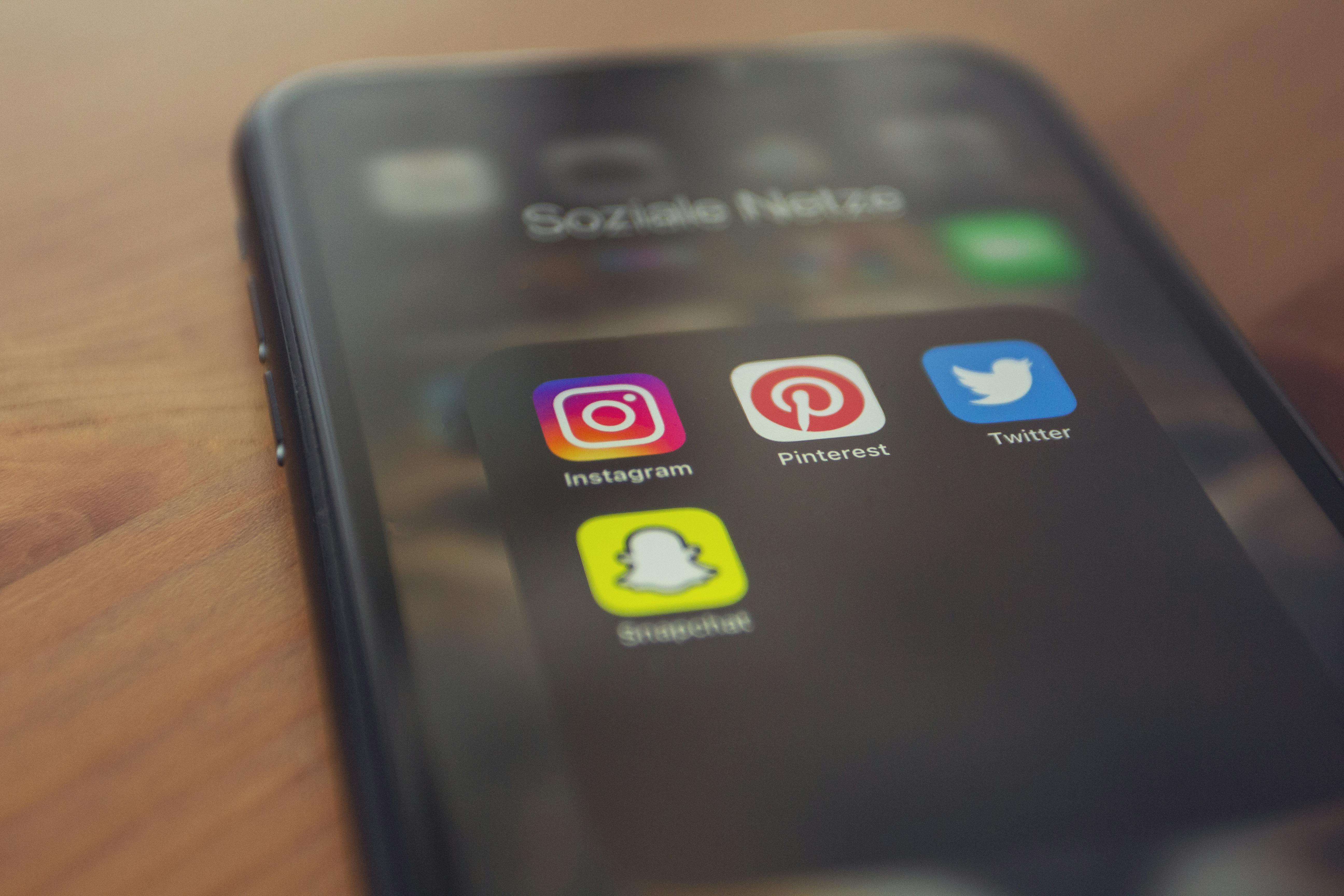
Smartphone displaying map and location data
But one million activations needs context Snapchat didn't provide. The company reported 443 million daily active users in its Q4 2024 earnings. One million activations across six months represents 0.23% of that base, assuming no duplicate users. That's not runaway adoption.
What's instructive is which platforms are competing here. Apple's Find My and Google Maps offer similar functionality, but they're utility-first. WhatsApp's Live Location sharing requires active initiation for each session. Snapchat's implementation sits in a social product where sharing is the default posture, not the exception.
What Dating Operators Should Be Watching
The broader pattern is automated intimacy. Features that remove friction from relationship maintenance also remove the small decisions that signal intentionality. Dating apps have historically kept safety features manual: Noonlight integration requires active triggering, check-in reminders are suggestions, location sharing (where it exists) is session-based.
Bumble (BMBL) has experimented with video and voice note features to signal authenticity without defaulting to location data. Match Group's (MTCH) properties have added AI-powered safety tools that analyse conversation content rather than tracking physical whereabouts. Grindr (GRND) has incorporated travel alerts and location masking for users in hostile jurisdictions—an acknowledgement that location sharing isn't universally safe.
If Snapchat's feature gains traction beyond its current adoption rate, dating platforms will face user expectations shaped by a different privacy calculus.
Younger users who normalise automated location updates with friends may expect similar functionality from dating matches. That's a regulatory minefield. The UK Online Safety Act already requires dating services to verify ages and assess risks; the EU Digital Services Act imposes transparency obligations around algorithmic systems. Automated location tracking in dating contexts would trigger heightened scrutiny under both frameworks, particularly around coercive control and data minimisation requirements.
The Etiquette Question Nobody's Asking
Young couple on date looking at phones
The more fundamental shift is social. Dating advice columns and safety guides currently recommend location sharing as an active choice: tell a friend where you're going, check in when you're home, trust your instincts. That framing preserves autonomy. Automation risks converting recommendation into expectation, then expectation into obligation.
When 'I forgot to text' stops being socially acceptable—because the technology removed the need to remember—the people most affected won't be the ones who wanted the feature. They'll be the ones who didn't realise opting out had become a statement. Early-stage dating already involves navigating unspoken rules around response times, read receipts, and social media interaction.
Dating operators have so far treated location data as high-sensitivity information to be minimised, not automated. Snapchat's expansion of safe arrival alerts beyond the home suggests consumer expectations may be shifting, at least in adjacent social contexts. Whether dating platforms follow that shift—or resist it as incompatible with the trust dynamics they're trying to foster—will depend on whether they see automated location sharing as a safety feature or a relationship liability.
Automation converts optional safety behaviours into expected relationship obligations, fundamentally changing power dynamics in early-stage dating
Dating platforms face a strategic choice: follow Snapchat's lead on automated location sharing or maintain manual controls that preserve user agency and avoid regulatory scrutiny
Watch for regulatory responses from UK and EU authorities if adoption accelerates—automated location tracking in dating contexts raises coercive control and data minimisation concerns that manual sharing doesn't