UK Dating App Usage Is Down 16%. The Matchmakers Are Having Their Best Year Ever.
·5 min read
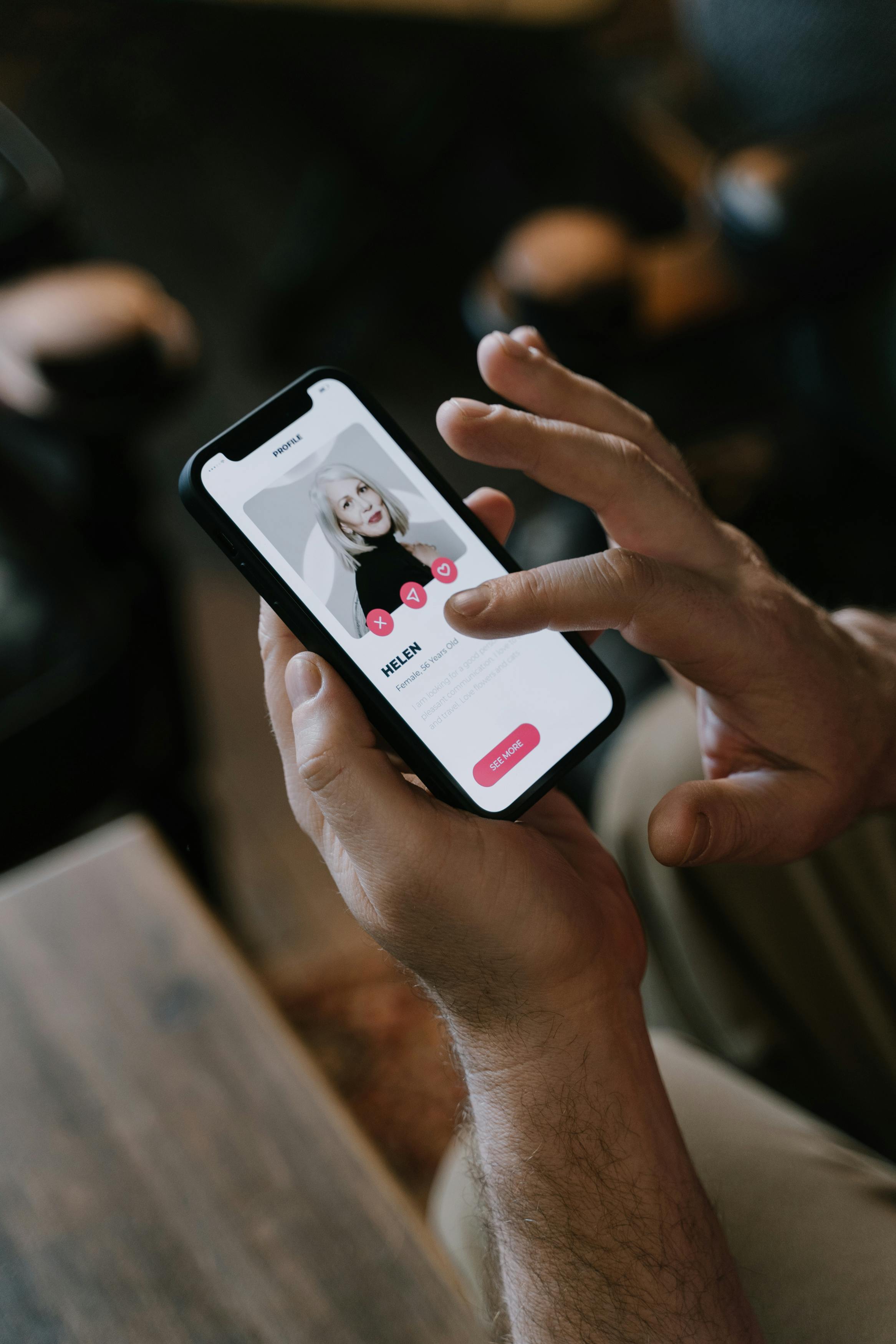
UK dating app usage has fallen 16% since 2024, with Tinder losing over 500,000 British users
The UK matchmaking market is valued at £422 million, serving 1.3 million users and growing at 8% annually
Around 90% of UK matchmaking agencies are female-owned or run, according to Business Recruitment data
The global dating market is projected to exceed £13 billion by 2030, with premium matchmaking claiming increasing share
The algorithmic dating boom has hit a wall. British users are abandoning apps in droves, not for another platform, but for an older, slower, decidedly more expensive alternative: human matchmakers. And the people leading this counter-revolution are overwhelmingly women, building businesses that reject the swipe-optimised model entirely.
This isn't a temporary blip in user behaviour. It's a fundamental crisis of trust in platforms built to maximise engagement rather than relationships. Into that void has stepped a wave of female-led matchmaking services offering fewer matches, higher prices, and something apps have struggled to deliver: actual results.
Join DII Weekly — the dating industry briefing, delivered free.
A subscriber paying £30 monthly to Match Group is a different economic proposition from a client paying several thousand pounds for six curated introductions. This isn't about market share. It's about the emergence of a two-tier dating economy: mass-market apps for casual browsing, premium matchmaking for people who've decided algorithms aren't working.
Volume and quality are not the same thing. Dating apps generate thousands of matches daily. Matchmaking services produce a handful of vetted pairings per client.
Business Recruitment's report highlights what matchmakers have been saying for years: the former optimises for engagement metrics; the latter for relationship outcomes. Which model works depends entirely on how you define success—and increasingly, users are defining it as something other than another swipe session.
Why women are leading the charge
The gender divide here is striking. Female leadership in matchmaking isn't incidental; it reflects a fundamentally different approach to trust, safety, and interpersonal dynamics. Women-led services consistently emphasise vetting processes, psychological compatibility, and client wellbeing over growth targets.
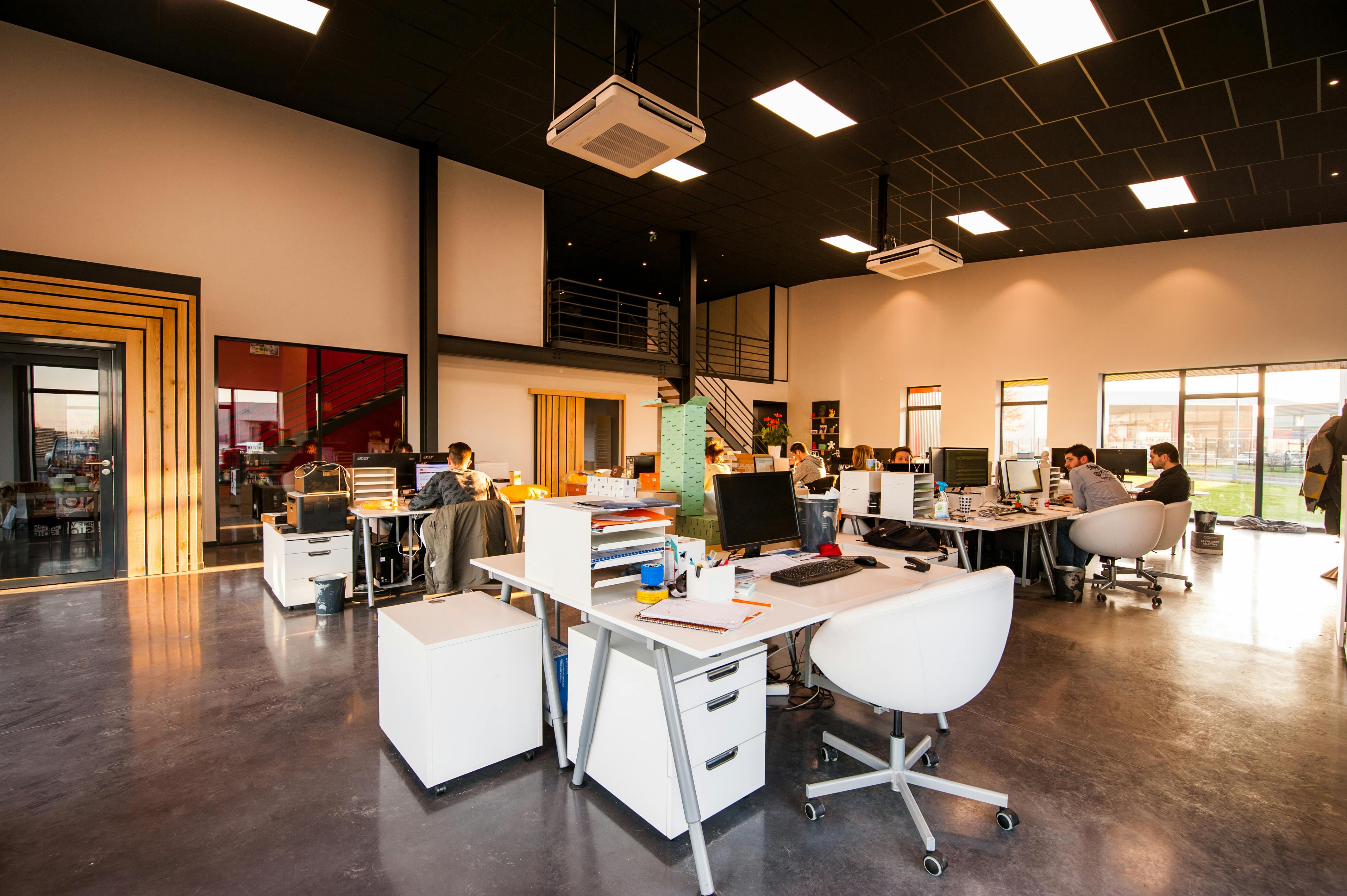
Professional woman working on laptop in modern office
That's not a coincidence. It's a response to what many female users experience on mainstream apps: harassment, superficial interactions, safety concerns that platform moderation struggles to address at scale. Women make up the majority of dating app users in most markets, and they're disproportionately affected by the trust crisis that's plagued the sector since 2021.
Female founders understand this viscerally, not as a data point in a user survey. The services they've built reflect that understanding: slower, more deliberate, more expensive, and—if client testimonials are any guide—more effective at producing relationships that last beyond a few dates.
Match Group's attempts to move upmarket with premium tiers haven't solved this. Bumble's emphasis on women making the first move addressed one symptom but didn't fundamentally alter the swiping mechanics. The app giants are optimised for scale and shareholder returns, which makes pivoting to a high-touch, low-volume model structurally difficult.
The AI question nobody's answering honestly
Industry rhetoric now centres on hybrid models: human matchmakers augmented by AI tools for screening, compatibility scoring, and administrative tasks. It's a tidy narrative. The reality is messier.
AI excels at pattern matching and data processing. It's decent at filtering obvious incompatibilities—age range, location, deal-breakers. But the core value proposition of human matchmaking—reading subtext, understanding what someone actually wants versus what they say they want, spotting red flags in a conversation—remains firmly in the human domain.
No large language model can replicate the intuition a seasoned matchmaker brings to a 90-minute intake interview.
Technology and human connection concept
The betting here is that AI will handle the tedious bits whilst humans do the interpretive work. That's plausible for scaling boutique services without diluting quality. But it doesn't solve the fundamental tension: if you automate too much, you become an app with better branding. If you don't automate enough, your unit economics cap your growth.
Female-led agencies seem comfortable with that trade-off. They're building businesses that prioritise client outcomes over hockey-stick growth charts. That's a defensible position, but it also means they're unlikely to reach app-scale revenues.
What happens next
Globally, the combined dating market—apps and matchmaking—is projected to exceed £13 billion by 2030, according to Business Recruitment's analysis. That growth will be unevenly distributed. Apps will continue to dominate by user numbers. Matchmaking will claim an increasing share of premium spend.
The app giants could buy their way into this segment. Match Group has a history of acquisitions; Bumble less so but not ideologically opposed. The challenge is cultural integration. A business built on curation and restraint doesn't fit neatly into a portfolio optimised for engagement metrics and ad impressions.
What's more likely is continued fragmentation. Female-led matchmaking services will carve out a profitable niche serving clients who can afford to pay for quality. Apps will refine their premium tiers and add more AI-driven features, hoping to stem churn. And somewhere in the middle, hybrid models will emerge—part human, part algorithmic, trying to thread the needle between scale and personalisation.
The 16% usage decline isn't reversing anytime soon. Dating app burnout is real, and no amount of product iteration will fix the underlying issue: users don't trust that these platforms are optimised for their success. Female-led matchmaking services have recognised that distrust and built businesses around addressing it directly.
Whether that's a sustainable competitive advantage or a temporary arbitrage opportunity depends on whether the app giants can credibly reposition themselves as something other than engagement maximisers. Nothing in their quarterly earnings suggests they're trying.
The dating industry is splitting into two distinct markets: mass-market apps optimised for engagement versus premium matchmaking services focused on relationship outcomes, with incompatible business models that resist convergence
Female-led matchmaking services have identified and capitalised on a trust crisis that app giants cannot easily solve through product iteration alone, creating a defensible competitive position based on safety, vetting, and human judgment
Watch for continued user churn from mainstream apps, rising customer acquisition costs across the sector, and potential acquisitions as public companies attempt to access premium segments—though cultural integration will prove challenging