Singapore's Cultural Policy Co-opts Dating Apps. A New Civic Role?
·5 min read
Singapore's government has partnered with Coffee Meets Bagel to distribute $100 cultural credits to dating app users, launching 14 February 2026
Only $10 million in SG Culture Pass credits redeemed since September 2025 launch, prompting government to seek new distribution channels
CMB claims 42% of Singaporean dating app users have tried the platform, according to 2025 YouGov survey
Singapore's fertility rate hit 0.97 births per woman in 2023, amongst the lowest globally, driving decades of state matchmaking intervention
Singapore's government has turned dating apps into distribution channels for cultural policy, striking a formal partnership with Coffee Meets Bagel to funnel singles towards museums, concerts, and immersive dining experiences. Starting 14 February 2026, CMB users gain priority access and discounts to 11 cultural venues through the government's SG Culture Pass scheme—a $100 credit available to all Singaporeans aged 18 and above, valid through end-2028. The Ministry of Culture, Community and Youth (MCCY) initiated the collaboration and confirmed it's seeking similar arrangements with other dating platforms.
Couple on cultural date at museum exhibition
This isn't a dating app chasing brand partnerships. It's the state recruiting commercial platforms to deliver social policy.
Singapore has spent four decades engineering courtship through government matchmaking schemes, driven by chronic demographic anxiety. Partnering with dating apps is simply the modern expression of that same impulse—but it marks a meaningful shift in how governments view these platforms. Dating apps are no longer just tolerated as necessary evils in the romance economy; they're being legitimised as civic infrastructure worth co-opting for state objectives.
Why Singapore is recruiting dating apps for cultural work
The collaboration reveals more about government strategy than dating app innovation. According to MCCY, just over $10 million in SG Culture Pass credits have been redeemed since the scheme launched on 1 September 2025. That's modest uptake for a programme offering free money to every adult Singaporean—suggesting the ministry needs fresh audience channels.
Enjoying this article?
Join DII Weekly — the dating industry briefing, delivered free.
Dating apps offer exactly that: a captive base of singles actively planning social outings. CMB claims 42% of Singaporean dating app users have tried the platform, citing a 2025 YouGov survey. That figure measures brand awareness ('tried it'), not active subscriber base, but it's sufficient for government purposes.
The economics work for both sides. CMB gains marketing differentiation at zero cost—cultural venues provide the discounts, not the app. Singapore gets targeted distribution for underutilised cultural inventory. The 11 initial offers skew towards midweek concerts and niche attractions (Hell's Museum at Haw Par Villa, immersive dining at Wonderland Upside Down) rather than blockbuster exhibitions, suggesting the ministry is using CMB to shift excess capacity.
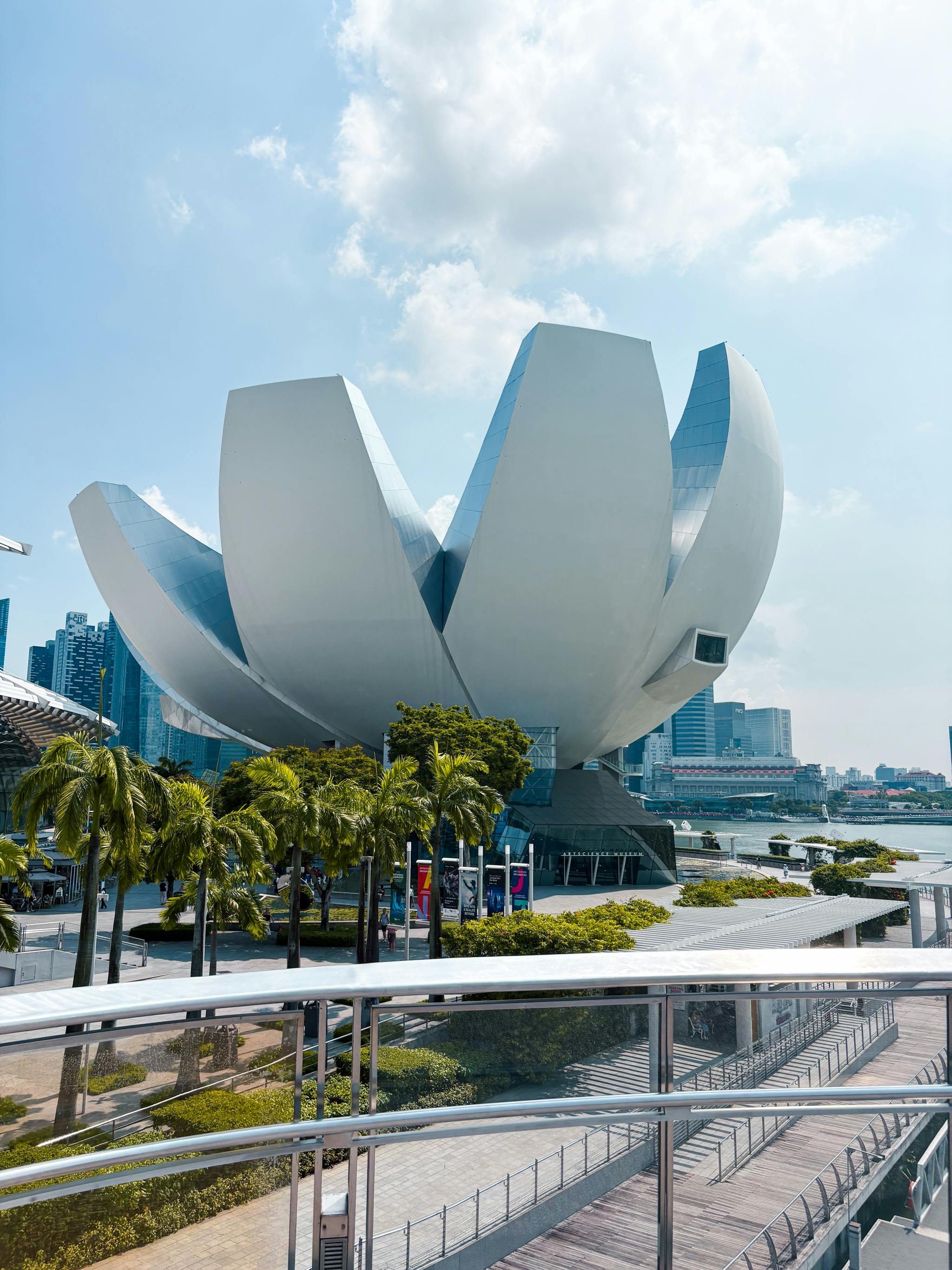
Singapore cultural venue and arts district
The state's expanding role in the romance economy
Singapore's intervention here sits on a continuum. The government has operated matchmaking services since the Social Development Unit launched in 1984, explicitly designed to boost marriage rates among graduates. That programme and its successors have cost tens of millions in public funds over four decades, driven by fertility rates that hit 0.97 births per woman in 2023—among the lowest globally.
What's different now is the mechanism. Previous schemes involved the state running its own dating infrastructure: speed-dating events, matchmaking databases, taxpayer-funded date subsidies. Partnering with CMB externalises that work to a commercial operator whilst retaining policy influence.
CMB CEO Shn Juay framed the partnership around emotional benefits: 'Cultural dates naturally slow things down. They create shared experiences, ease first-date anxiousness and open the door to richer, more thoughtful conversations.' That's marketing language, not cited research. But it aligns neatly with government objectives around relationship quality and marriage readiness, even if no evidence currently links museum visits to improved match outcomes.
The government no longer needs to convince singles to show up at a state-run mixer; it embeds incentives directly into platforms they're already using.
The ministry's openness to replicating this model with other dating apps suggests it views this as a pilot. If successful, expect Singapore to broker similar arrangements with platforms that command larger local subscriber bases—likely Tinder, which typically dominates market share in most territories, and possibly regional players like Paktor. That would transform SG Culture Pass into standard dating app infrastructure, baked into onboarding flows and recommendation algorithms.
What this means for operators elsewhere
The CMB partnership establishes a template for government co-option of dating platforms, particularly in markets where the state takes an active role in demographic management. South Korea, Japan, and several Eastern European countries run pronatalist programmes; all could feasibly adapt Singapore's playbook. The pitch to dating apps is straightforward: access to government subsidies enhances your product at no marginal cost, whilst delivering a differentiation story that costs nothing beyond integration work.
Mobile phone displaying dating app interface
For dating operators, the strategic question is whether these partnerships enhance subscriber value or simply offload government marketing spend onto commercial platforms. Cultural perks matter only if they influence match quality or retention—and there's no public data yet showing that subsidised concert tickets improve either metric. If the primary beneficiary is the cultural sector (filling seats) rather than the dating platform (improving engagement), the juice may not justify the squeeze.
Regulatory implications loom larger. Once governments view dating apps as valid partners for social policy delivery, they gain leverage to demand reciprocal concessions—on data sharing, age verification, or content moderation. Singapore's current approach is carrot, not stick. But the same logic that justifies partnering with dating apps to promote arts attendance could justify mandating safety features to promote demographic goals.
The more interesting tension is ideological. Dating apps have spent years positioning themselves as enablers of individual choice and autonomy. Formal partnerships with governments pursuing explicit social engineering objectives—even benign ones like arts promotion—complicate that narrative. Members using CMB in Singapore aren't just choosing matches; they're being nudged towards state-preferred date activities by design.
Whether that matters depends on how overtly governments push. A discount to a symphony concert is low-stakes. A subsidy structure that favours dates likely to produce marriage or childbirth would cross a line most operators wouldn't publicly defend. Singapore hasn't gone there yet. But the infrastructure for doing so is now in place.
Governments with pronatalist agendas now view dating apps as legitimate civic infrastructure for delivering social policy, not just commercial platforms to be regulated
Dating operators must assess whether government partnerships genuinely improve match quality and retention, or simply make platforms into unpaid distribution channels for state objectives
Watch for regulatory leverage: once governments position dating apps as policy partners, they gain justification to demand concessions on data sharing, verification, and content control