Parship's Survey Validates Its Model, Not the Market
·5 min read
Parship surveyed over 1,000 singles in Germany, finding respondents prioritise early assessment of long-term compatibility in 2025
Germany remains Europe's most relationship-oriented dating market, with singles demonstrating willingness to pay premium prices for serious matchmaking
Major platforms including Match Group and Bumble remain structurally optimised for engagement metrics rather than efficient partnering
The survey findings validate a positioning opportunity for vertical-focused platforms that build compatibility screening into core mechanics
ProSiebenSat.1's Parship has published survey findings showing that German singles want compatibility clarity upfront rather than months into dating. The timing is convenient: Parship's entire business model depends on selling this exact proposition. The findings land amid broader industry hand-wringing about dating fatigue and app inefficiency, but before operators rush to retrofit their products around "speed-vetting", it's worth examining what this actually tells us.
Couple having serious conversation about relationship compatibility
The Validation Problem
Parship surveying singles about whether they want compatibility upfront is like Peloton surveying gym-goers about whether they'd prefer to exercise at home. The answer validates the business model, not necessarily the market. What's more revealing is the question itself: that a legacy matchmaking platform feels compelled to commission research justifying its approach suggests swipe-first competitors have won the narrative, even in relationship-focused Germany.
The real story isn't that singles want compatibility checks earlier. It's that incumbent platforms still haven't figured out how to deliver them without sacrificing engagement metrics.
Germany's Relationship Focus Isn't the Industry's
Germany has long been Europe's most relationship-oriented dating market. ProSiebenSat.1 acquired Parship precisely because German singles demonstrated willingness to pay premium prices for serious matchmaking services. The country's dating culture skews older, more commitment-focused, and less swipe-saturated than the UK or US markets.
Enjoying this article?
Join DII Weekly — the dating industry briefing, delivered free.
That cultural specificity matters when assessing whether these findings signal a broader generational shift or simply reflect an established market preference. Parship's survey respondents aren't a proxy for Hinge users in London or Tinder subscribers in Austin. They're Germans using a platform that attracts people already predisposed to prioritise long-term compatibility.
The "population-representative" claim warrants scrutiny. Parship hasn't disclosed its methodology, demographic weighting, or how it recruited participants. Without those details, the findings tell us what Parship's target demographic wants—useful for the company's product roadmap, less useful for understanding where the broader market is heading.
Person reviewing dating app profiles on smartphone
What the Major Platforms Are Actually Doing
If singles genuinely want compatibility vetting upfront, the product evidence from Match Group (MTCH) and Bumble (BMBL) is mixed at best. Hinge has leaned into "designed to be deleted" messaging and prompts that surface personality and values. That's directionally aligned with compatibility-first dating, though the app's mechanics still reward frequent engagement rather than efficient partnering.
Bumble introduced "Opening Moves" in 2024, allowing women to set conversation starters and men to respond—ostensibly to reduce friction and improve match quality. But the feature primarily addresses Bumble's specific problem (women not wanting to message first) rather than the broader question of compatibility screening. Match's most recent product updates have focused on video features and AI-powered recommendations, not front-loading dealbreaker conversations.
The reality is that major platforms remain structurally optimised for engagement, not efficiency. Monthly active users, session duration, and messages sent are the metrics that matter to MTCH and BMBL shareholders.
Fast-tracking compatibility conversations reduces time-on-app. Efficient partnering—the thing users ostensibly want—is in direct tension with the thing public markets reward.
Economic Pressure or Product Dissatisfaction
Parship's framing emphasises what singles want in 2025, but the more interesting question is why those preferences might be intensifying. Two explanations present themselves, and they point to different strategic responses.
The first is economic pragmatism. Cost-of-living pressures across Europe have made singles more selective about investing time and money in dates with unclear potential. A 30-year-old in Berlin paying €15 per cocktail is more motivated to establish compatibility before meeting than they were in 2019.
The second explanation is product dissatisfaction. After a decade of swipe-first apps, users are simply tired of mechanics that prioritise volume over compatibility. The "situationship" discourse that's dominated dating culture since 2022 reflects frustration with platforms that facilitate ambiguous connections but don't help users articulate or assess relationship intent.
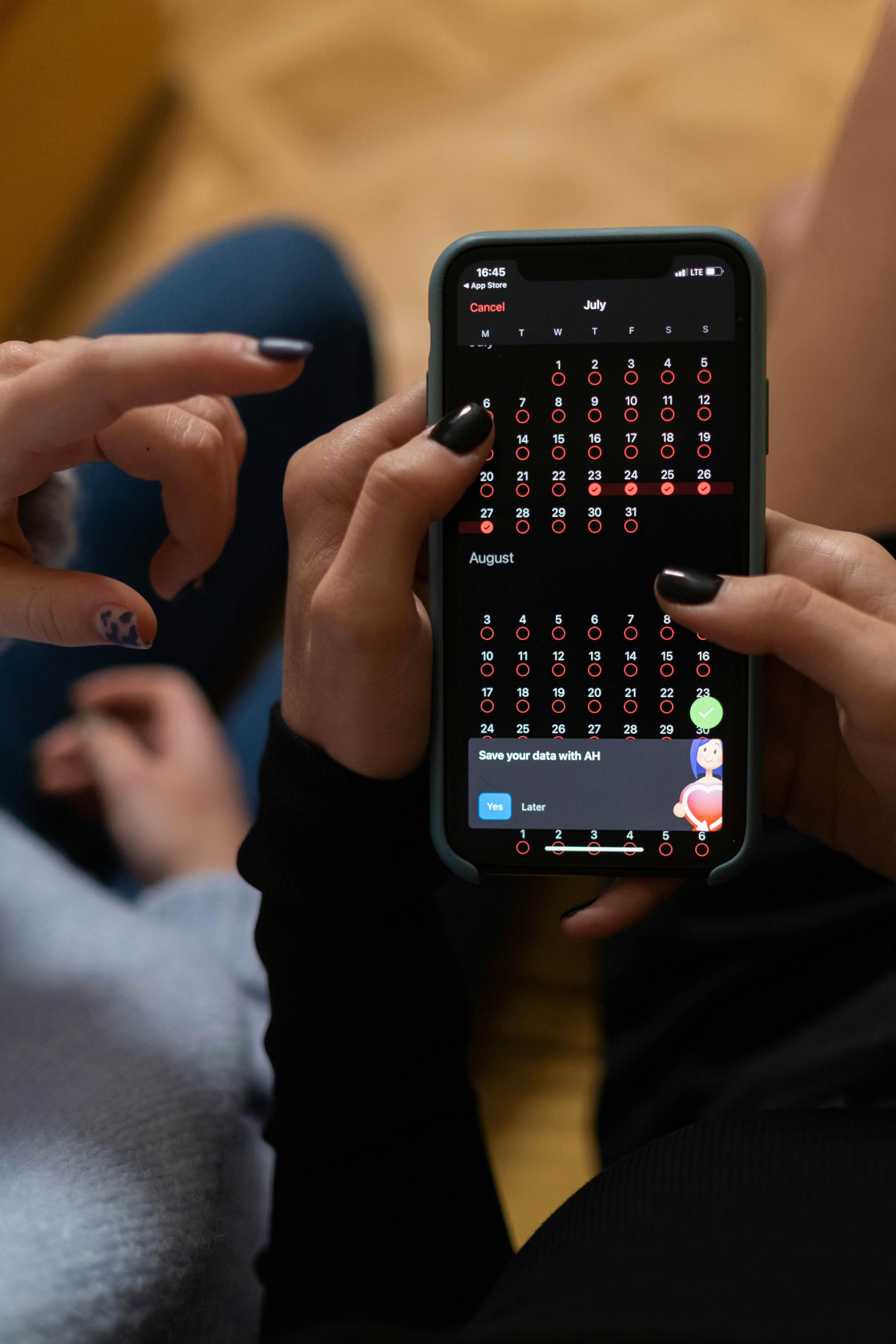
Dating app interface showing compatibility matching features
The German market's maturity suggests the latter. These aren't first-time app users discovering that endless swiping doesn't work. They're experienced users demanding better tools.
The Niche Opportunity
For smaller operators and vertical-focused platforms, Parship's findings—even if self-serving—validate a positioning opportunity. Apps that build compatibility screening into their core mechanics rather than bolting it onto engagement-first infrastructure have a structural advantage.
That means front-loading dealbreaker questions, surfacing relationship intent before the first message, and designing for fewer but higher-quality matches. It also means accepting lower DAU and session metrics in exchange for higher conversion to relationships—a trade-off that makes sense for private companies or platforms with premium subscription models, but not for public companies optimising for user growth.
The challenge is whether "speed-vetting" dating can achieve the scale necessary to deliver sufficient matches, particularly in smaller geographic markets. Compatibility-first dating requires a substantial user base to function. That's why Parship has spent two decades building its position in Germany.
What Parship's research really underscores is the divergence between what dating apps optimise for and what an increasingly vocal segment of users say they want. Whether that segment is large enough, and frustrated enough, to sustain alternative platforms—or force incumbents to change—is the open question heading into 2025.
Watch whether Match Group and Bumble shift product development towards compatibility-first features or continue prioritising engagement metrics that satisfy public market expectations
The divergence between platform incentives and user demands creates opportunity for private, premium-model operators willing to sacrifice scale for conversion quality
Germany's mature market may preview broader industry shifts, but cultural specificity means findings won't translate directly to swipe-dominated Anglo-American markets