FlirtFinder's Payday Spike: Economic Anxiety's Hidden Toll on Dating
·5 min read
FlirtFinder messaging activity collapsed by 56% during the first three weeks of January before rebounding after payday
Average new conversations per user dropped from 7.5 on 31 January to 4.8 on 20 January
The platform has over 500,000 members on a pay-per-message model
Economic anxiety appears to suppress romantic confidence, not just spending on dates
The UK's cost-of-living crisis has arrived in an unexpected place: the flirtation patterns of British singles. Data from FlirtFinder, a pay-per-message dating platform with over 500,000 members, shows messaging activity collapsed by 56% during the first three weeks of January before rebounding sharply after payday. The explanation, according to Commercial Director Alisdair Anderson, isn't just that people can't afford dates—it's that financial precarity strips away the confidence required to flirt in the first place.
The DII Take
This matters because it quantifies something operators have long suspected but rarely discussed: dating engagement is economically elastic. When singles feel financially vulnerable, they don't just spend less—they withdraw entirely, benching themselves until payday restores not just their bank balance but their emotional bandwidth. For subscription platforms, this is invisible. For pay-per-use models, it's a revenue cliff.
The broader question: if economic anxiety can suppress romantic confidence this dramatically, what does that mean for retention and lifetime value in a prolonged downturn?
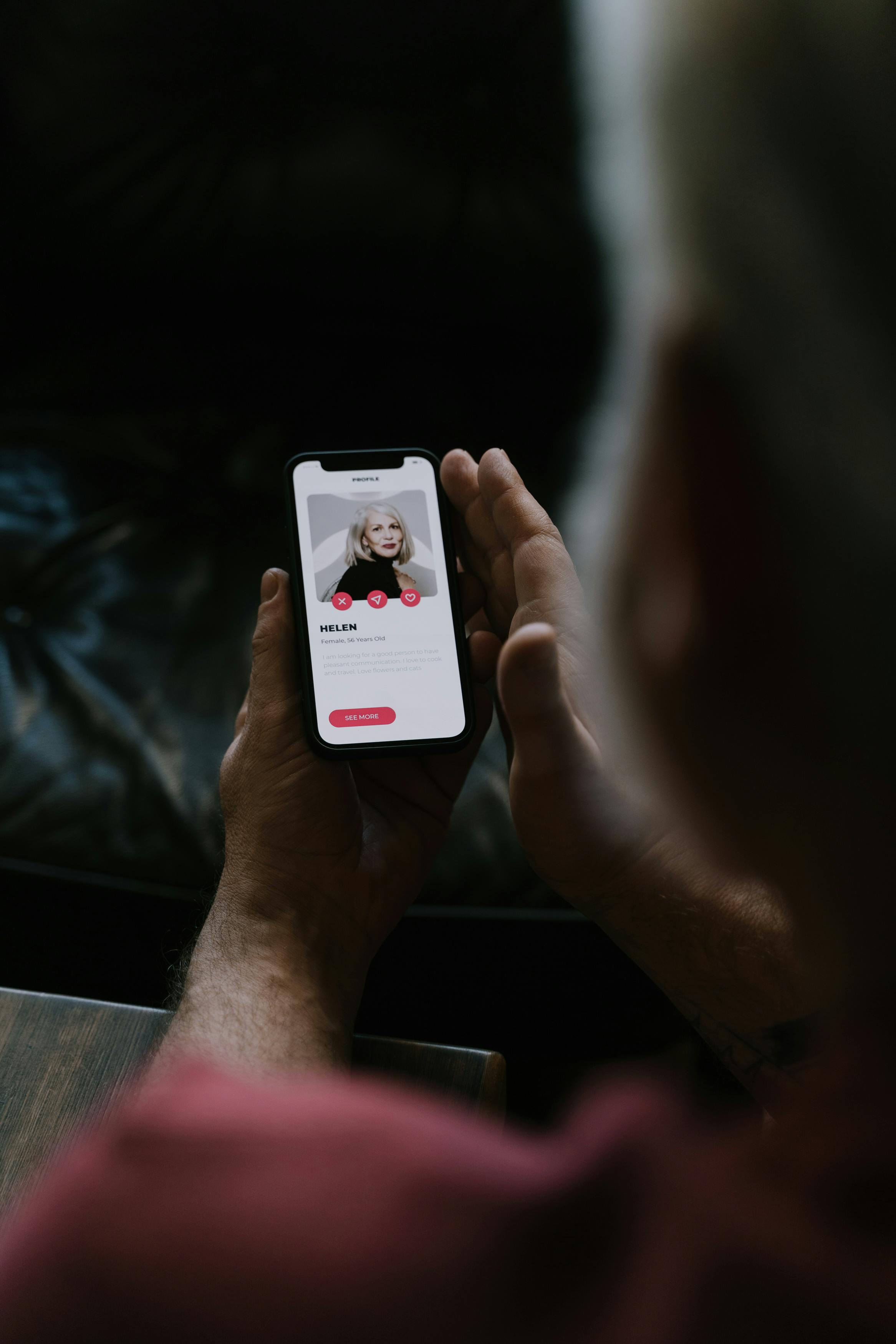
Person using dating app on smartphone
When spending power gates romantic confidence
FlirtFinder's business model creates unusually transparent data. Members purchase individual messages rather than paying a flat subscription fee, which means every conversation has a marginal cost. That makes the platform more sensitive to short-term financial stress than Tinder or Hinge, where the ability to message is bundled into a recurring payment.
Enjoying this article?
Join DII Weekly — the dating industry briefing, delivered free.
The pattern Anderson describes isn't simply "I can't afford to go on a date, so I won't bother messaging." It's more insidious. Financial strain appears to erode the psychological prerequisites for romantic engagement: the confidence to initiate, the energy to be playful, the emotional availability to invest in someone new.
Once payday arrives, the shift is immediate. Users return to the platform, refresh profiles, upload new photos, browse for longer, write chattier openers. The activity isn't driven by suddenly being able to afford dinner—it's driven by feeling like someone worth dating again.
If the barrier isn't the cost of dates but the confidence to pursue them, then dating apps are competing with a much broader set of anxieties—employment insecurity, housing costs, debt servicing—that have nothing to do with product quality or user experience.
Young couple on budget-conscious date
January's perfect storm
The January dip is exacerbated by timing. British singles exit December financially depleted from Christmas spending, emotionally drained from family obligations, and facing the psychological nadir of short days and miserable weather. Anderson calls this "admin mode"—a state where people prioritise recovery over new connections.
The timing also coincides with broader cost-of-living pressures. UK inflation has cooled from its 2023 peak, but real wages remain squeezed and household savings buffers have thinned. The 2024 festive period left many households more stretched than usual, which likely amplified the January effect this year.
What's less clear is how much of this pattern is unique to FlirtFinder's pay-per-message structure versus observable across the broader market. Subscription platforms don't see users suddenly stop messaging when money gets tight—they've already paid for access. But they may see lower session frequency, shorter browsing times, fewer profile updates, and reduced conversion from free to paid tiers.
Person checking bank account on mobile phone
What operators should watch
The FlirtFinder data rests entirely on internal analytics from a single platform with a distinctive business model, so the 56% figure should be treated as indicative rather than sector-wide. Causation and correlation are also entangled here—payday coincides with the end of January malaise generally, not just financial recovery. But the directional insight holds: economic anxiety and romantic engagement are not independent variables.
For operators, the question is whether this creates an opportunity or a vulnerability. Platforms with flexible pricing—credits, pay-as-you-go, or tiered subscriptions that let users dial spending up and down—may be better positioned to retain financially stressed members than rigid monthly plans. Freemium models that allow browsing and limited messaging without payment could keep users engaged during tight periods, preserving lifetime value even if short-term revenue dips.
What's harder to address is the confidence problem. If financial stress makes people feel unworthy of romantic pursuit, no amount of product optimisation will compensate. That's a structural challenge for the industry, particularly if the UK economy remains sluggish through 2025 and wage growth continues to lag inflation.
Dating apps are discretionary spending, both in terms of subscription fees and the dates themselves. When households are choosing between heating and socialising, the sector loses twice: once on churn, and again on engagement. The rise of chore-based dates among millennials and Gen Z further suggests singles are actively seeking lower-cost alternatives to traditional dating formats.
The January rebound offers a glimmer of optimism—activity does recover, and quickly. But it also underscores how contingent romantic confidence has become on economic stability. For an industry already grappling with trust crises, AI moderation costs, and platform fatigue, adding "helps singles feel financially secure enough to flirt" to the product roadmap is a tall order. Meanwhile, UK marketers are increasingly focused on dating ROI metrics, recognising that economic conditions are fundamentally reshaping how singles approach romantic investment.
Dating platforms need flexible pricing models to accommodate wage-cycle volatility and retain users during financial stress periods
The confidence gap created by economic anxiety represents a structural challenge that product optimisation alone cannot solve
Watch for Q1 2025 earnings commentary from major players on engagement metrics, not just revenue—session frequency and profile activity may reveal broader sector impacts