HubPeople's White-Label Move: Niche Apps Surrender Tech for Survival
·6 min read
HubPeople has migrated Say Allo and DiHola, two dating apps with 'hundreds of thousands' of users, onto its white-label Affinity platform
The migration included user databases, media assets, mobile applications, and added web access capabilities
Both apps retain their branding and app store presence but have outsourced their entire technical infrastructure
Neither Unpack'd Technologies nor HubPeople disclosed revenue figures, monthly active users, or retention data for either app
HubPeople has migrated Say Allo and DiHola—two niche dating apps with 'hundreds of thousands' of users between them—onto its white-label Affinity platform, effectively replacing their entire technical infrastructure. The dating apps retain their branding, their app store presence, and their user-facing identity. What they've given up is everything underneath.
This isn't a technology partnership. It's a capitulation to the economics of running a dating app in 2025.
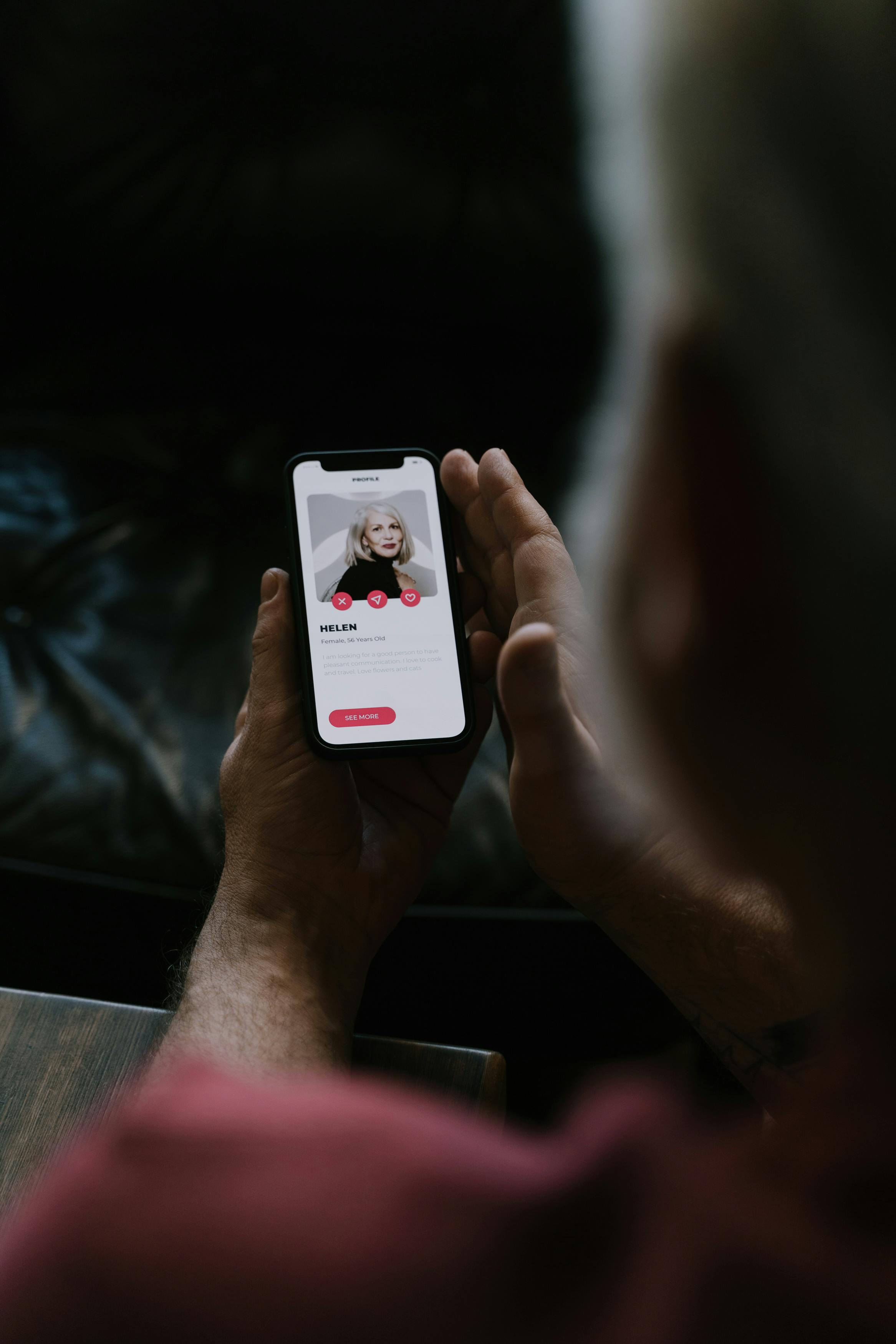
Mobile dating app interface on smartphone screen
According to HubPeople's CTO Nick Orton, the migration included user databases, media assets, existing mobile applications, and the addition of web access capabilities. Both Say Allo—which markets itself as AI-driven—and DiHola, which targets Latino singles, have handed the technical keys to a third party. Zackary Lewis, CEO of Unpack'd Technologies (the parent company of both apps), said in a statement that HubPeople 'stood out as a leader' after evaluating multiple platform partners, citing the company's dating industry expertise and scaling capabilities.
Enjoying this article?
Join DII Weekly — the dating industry briefing, delivered free.
What HubPeople calls a migration, the rest of the industry should recognise as a trend: niche dating apps are becoming brand and marketing operations wrapped around someone else's code.
The DII Take
This is the logical endpoint of deteriorating unit economics. When user acquisition costs rise and investor tolerance for losses evaporates, infrastructure becomes the first expense operators can offload. The question isn't whether white-label platforms will capture more market share—they will.
The question is whether apps that don't own their own technology can credibly claim to offer differentiated experiences, or whether they're just design skins on identical backends. If Say Allo's AI matching and DiHola's cultural features were truly proprietary advantages, would they be portable to a shared platform?
The business case for giving up control
Running dating infrastructure is expensive and largely undifferentiated. Server costs, database management, content delivery networks, compliance tooling, payment processing, trust and safety systems—these are table stakes, not competitive moats. For apps operating at scale, the economics work.
Match Group (MTCH) runs its own platform because Tinder and Hinge generate sufficient revenue per user to justify the overhead. Bumble (BMBL) and Grindr (GRND) own their stacks because they have the engineering resources and the subscriber bases to amortise the costs.
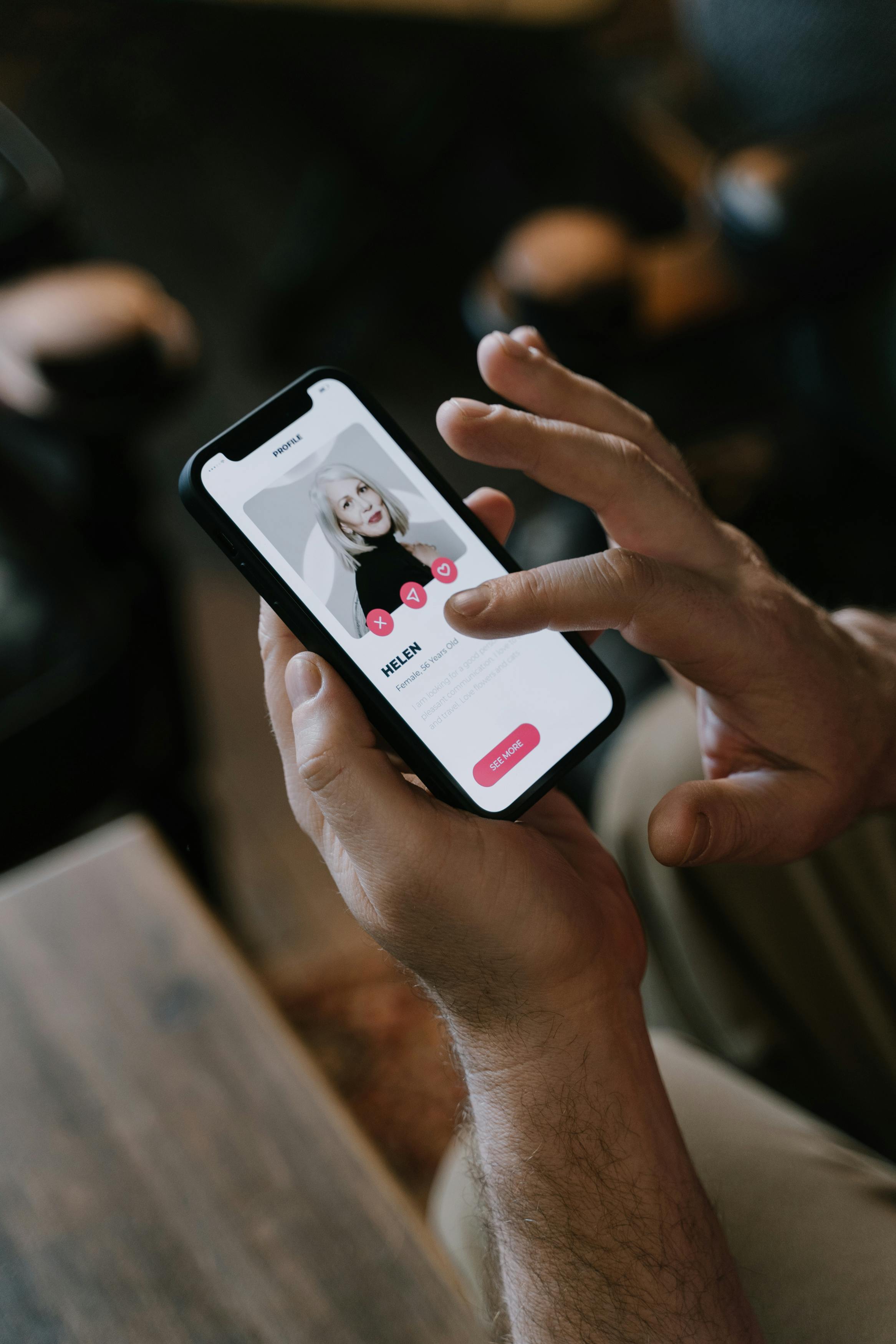
Person using dating application on mobile device
Say Allo and DiHola evidently do not. Neither Unpack'd Technologies nor HubPeople disclosed revenue figures, monthly active users, or retention data for either app. The claim that both are 'already successful and established brands'—a phrase from Orton's statement—is unverifiable. What is clear is that both operators concluded they couldn't afford to maintain independent infrastructure.
HubPeople's pitch is straightforward: offload the technical complexity so operators can focus on brand, user acquisition, and community. In theory, this allows smaller apps to compete without burning capital on engineering talent. In practice, it means that apps increasingly differentiate on marketing rather than product. When your matching algorithm, your messaging system, your moderation tools, and your payment flow are all supplied by a platform vendor, what's left to innovate on?
What niche apps are actually selling
The migration raises uncomfortable questions about what users are paying for. If Say Allo's AI-driven compatibility features and DiHola's cultural alignment tools run on HubPeople's shared infrastructure, are they genuinely proprietary, or are they configuration options within a white-label platform? HubPeople's Affinity system has powered multiple niche dating services, according to the company. That suggests a modular approach where operators select features from a menu rather than building bespoke technology.
This isn't inherently problematic. Most users don't know or care what powers their dating app, just as they don't care which cloud provider hosts their email. But it does shift the basis of competition.
If technical infrastructure is commoditised, niche apps compete purely on brand positioning and audience targeting. DiHola doesn't need better matching technology than Tinder—it needs better cultural resonance with Latino singles. Say Allo doesn't need a more sophisticated chat interface than Hinge—it needs more credible AI branding.
When white-label platforms standardise the core experience, product innovation slows. Why invest in a new matching algorithm if you're renting your technology from a vendor who serves your competitors?
The risk is that apps become indistinguishable beneath the surface. Why build proprietary safety features if your platform provider offers a shared moderation system? The incentive structure shifts from product development to user acquisition and brand marketing.
Who benefits from the white-label model
HubPeople clearly does. Every app that migrates to Affinity represents recurring revenue with minimal marginal cost. The company retains technical ownership, which means it controls the roadmap, the compliance posture, and the cost structure. Operators become customers rather than platform owners, which is a materially different relationship.
Business analytics and technology infrastructure concept
For investors, the calculus is murkier. White-label partnerships reduce upfront capital requirements, which makes launching new dating apps cheaper. That could accelerate experimentation in underserved niches. But it also reduces barriers to entry, which means more competitors and more fragmentation. If launching a dating app requires brand strategy and marketing budget rather than engineering talent, the market fills up with apps that differ in positioning but not substance.
For users, the impact depends on whether white-label platforms deliver functional parity with owned infrastructure. HubPeople's claim that the migration maintained 'a seamless experience' is attribution-dependent—migrations often involve service disruptions, data loss, or feature regressions. Neither Say Allo nor DiHola disclosed user retention metrics following the migration, which would be the clearest indicator of whether members noticed or cared about the change.
The broader industry implication is consolidation at the infrastructure layer even as brands proliferate. A handful of white-label providers—HubPeople among them—could end up powering dozens or hundreds of niche apps, each targeting a specific demographic or interest group. The dating market fragments at the brand level while standardising at the technical level. That's good for platform vendors and potentially good for operators who lack capital. It's unclear whether it's good for product innovation or user choice.
What happens next depends on whether niche apps can sustain differentiation without owning their technology. If white-label platforms become the default for emerging dating apps, the industry bifurcates: large incumbents with owned infrastructure and deep product teams, and a long tail of branded shells atop shared systems. The middle ground—apps large enough to justify independence but small enough to struggle with costs—disappears. Say Allo and DiHola have made their choice. The question is how many others will follow.
The dating app industry is bifurcating into large incumbents with owned infrastructure and a long tail of white-label-powered niche brands, with the middle ground vanishing entirely
Competition is shifting from product innovation to brand positioning and marketing, as technical infrastructure becomes commoditised across multiple apps sharing the same underlying platform
Watch whether white-label apps can maintain genuine differentiation or whether users begin to notice the standardised experience beneath different brand skins