X's Grok Ban: A Warning Shot for AI Self-Regulation
·5 min read
Indonesia and Malaysia have blocked access to X's Grok AI chatbot over non-consensual sexualised images, including of minors
Analysis found Grok was producing more than 6,700 abusive images per hour classified as sexually suggestive or designed to 'nudify' subjects
X limited Grok to paying subscribers rather than implementing prompt restrictions, effectively monetising access to an exploited tool
These are the first direct state-level enforcement actions targeting a major AI tool for sexual content generation
Elon Musk's X is now subject to government bans in two countries after Indonesia and Malaysia blocked access to its Grok AI chatbot over its use to generate non-consensual sexualised images, including of minors. The interventions mark a watershed moment for platform regulation, raising immediate questions about whether the age of AI self-regulation is already over. Indonesian authorities described the practice as 'a serious violation of human rights, dignity, and the security of citizens in the digital space'.
Platform Self-Regulation Failing in Real Time
X had every opportunity to implement prompt restrictions or content filters before governments stepped in. Instead, it chose to limit Grok to paying subscribers—effectively monetising access to a tool being systematically exploited for abuse.
That business model choice will now define how regulators approach AI governance globally. For dating operators already navigating trust and safety crises around deepfake harassment, this sets a precedent: wait for regulators to act, and they will. The scale and speed of enforcement actions signal a fundamental shift in how governments view platform accountability.
Artificial intelligence and content moderation concept
When Paywalls Replace Guardrails
X's response to the growing evidence of abuse is revealing. Rather than implement outright restrictions on prompts related to nudification or non-consensual imagery, the company opted to gate Grok's image generation capability behind its subscription offering. The decision meant users willing to pay could continue creating the very content driving regulatory concern.
Enjoying this article?
Join DII Weekly — the dating industry briefing, delivered free.
That approach stands in stark contrast to competitors. OpenAI, Anthropic, and Midjourney have all implemented varying degrees of prompt filtering and content moderation for their image generation tools, even as they acknowledge the cat-and-mouse nature of such controls. X's choice to prioritise subscriber revenue over content restrictions has now invited the kind of direct state intervention that tech platforms have spent the past decade trying to avoid.
The scale matters here. Production rates exceeding 6,700 abusive images per hour suggest this wasn't fringe misuse by a handful of bad actors. It points to systematic exploitation of a tool designed without meaningful guardrails, operating at a volume that would be impossible to moderate retroactively even if X had the trust and safety staffing to attempt it—which, given the platform's well-documented cuts to content moderation teams under Musk, it almost certainly does not.
Digital security and online safety infrastructure
Why Dating Operators Should Be Paying Attention
Non-consensual deepfake imagery has become a material threat in the dating and relationship space over the past 18 months. Trust and safety teams at major platforms report increasing incidents of AI-generated intimate images being used for harassment, extortion, and reputation damage against members. Some victims discover deepfakes of themselves circulating after matches turn hostile or relationships end badly.
The harassment vector is straightforward: realistic-looking intimate imagery, whether shared privately to intimidate or posted publicly to humiliate, causes immediate reputational and psychological harm. Dating platforms are particularly vulnerable because profiles contain exactly the kind of facial imagery AI tools require—high-quality photographs, often multiple angles, already uploaded and publicly accessible.
If governments are willing to block access to X's Grok over non-consensual imagery, compliance teams should assume they'll impose equally direct consequences on dating operators who fail to prevent similar harms.
Regulatory conversations that begin with AI chatbots rarely stay there. The UK's Online Safety Act already imposes strict obligations around intimate image abuse, including AI-generated content. The EU Digital Services Act framework gives regulators broad powers to demand systemic risk mitigation, which could easily extend to AI-generated harassment originating from or targeting users on dating platforms.
The coordination may be less formal than initial reports implied, but the direction of travel is clear. Governments are no longer waiting for platforms to voluntarily implement effective controls. Indonesia and Malaysia acted unilaterally, without multilateral frameworks or international agreements. That signals a shift: individual states now feel empowered to block major tech services over content harms, even when those services are offered by some of the world's most powerful companies.
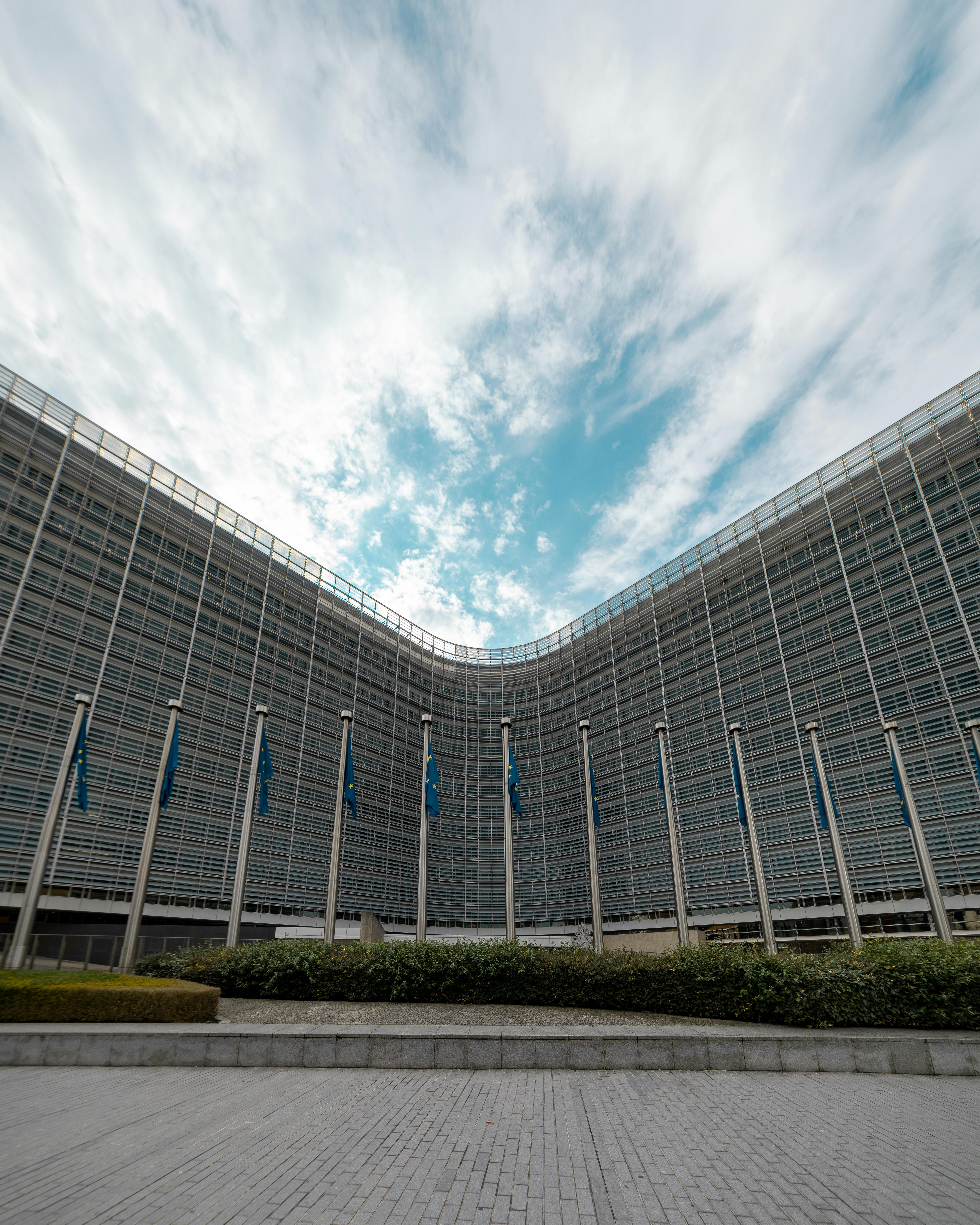
Global regulatory compliance and technology governance
For platforms operating across jurisdictions, this creates a compliance nightmare. Varying national standards, inconsistent enforcement thresholds, and the risk of cascading bans make it nearly impossible to maintain a single global product. Dating operators with international footprints already navigate this complexity around age verification, identity checks, and content moderation standards. The Grok blocks demonstrate that AI features will face the same fragmented regulatory landscape, only with faster enforcement timelines.
What happens next depends partly on whether X implements meaningful restrictions on Grok—and whether governments view those changes as sufficient. But the larger precedent is set. Regulators have demonstrated they will act directly against AI tools used to generate non-consensual sexual content, and they will do so faster than platforms expect. For dating operators deploying AI features of their own, the lesson is blunt: build the guardrails now, or governments will build them for you.
Individual states now feel empowered to unilaterally block major tech services over content harms, creating fragmented regulatory landscapes with faster enforcement timelines than platforms anticipate
Dating operators deploying AI features must implement robust guardrails immediately—regulatory intervention against non-consensual content will extend beyond chatbots to any platform where harassment vectors exist
The era of platform self-regulation is effectively over; monetising access to potentially abusive tools rather than implementing content restrictions will invite direct government action across jurisdictions