Valentine's Day: Dating Apps' Revenue Spike or Mental Health Liability?
·7 min read
Single women in China faced a 74% higher suicide risk five days before Chinese Valentine's Day, whilst married women showed elevated risk of 60–86% around Western Valentine's Day
Dating app users report higher levels of anxiety and depression compared to non-users, driven by ghosting, rejection, and ambiguous situationships
78% of dating app users report burnout, whilst 75% repeatedly delete and reinstall apps—a pattern clinicians identify as problematic use
Match Group and Bumble stocks have collapsed 50–80% from peak valuations, but analyst concerns focus on growth metrics rather than duty of care
A clinical analysis published this month by the Sylvia Brafman Mental Health Center ties Valentine's Day to measurable spikes in suicide risk and problematic dating app behaviours—raising uncomfortable questions about whether platforms are equipped, or even willing, to protect users during emotionally volatile periods. The timing is not coincidental. Dating apps have historically ramped up advertising spend and premium feature promotions in the fortnight before 14 February, monetising the exact anxiety that clinicians warn can tip vulnerable users towards crisis.
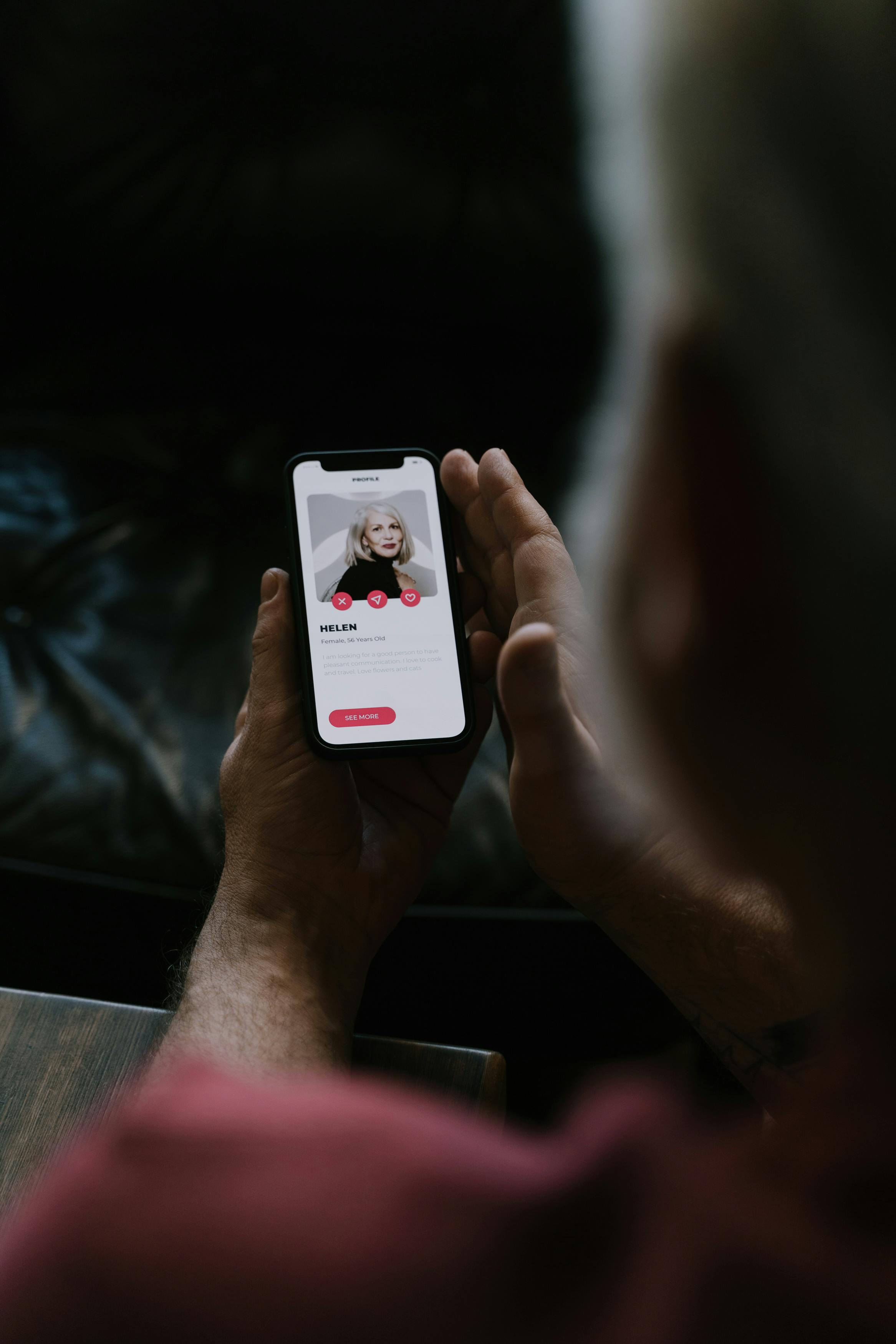
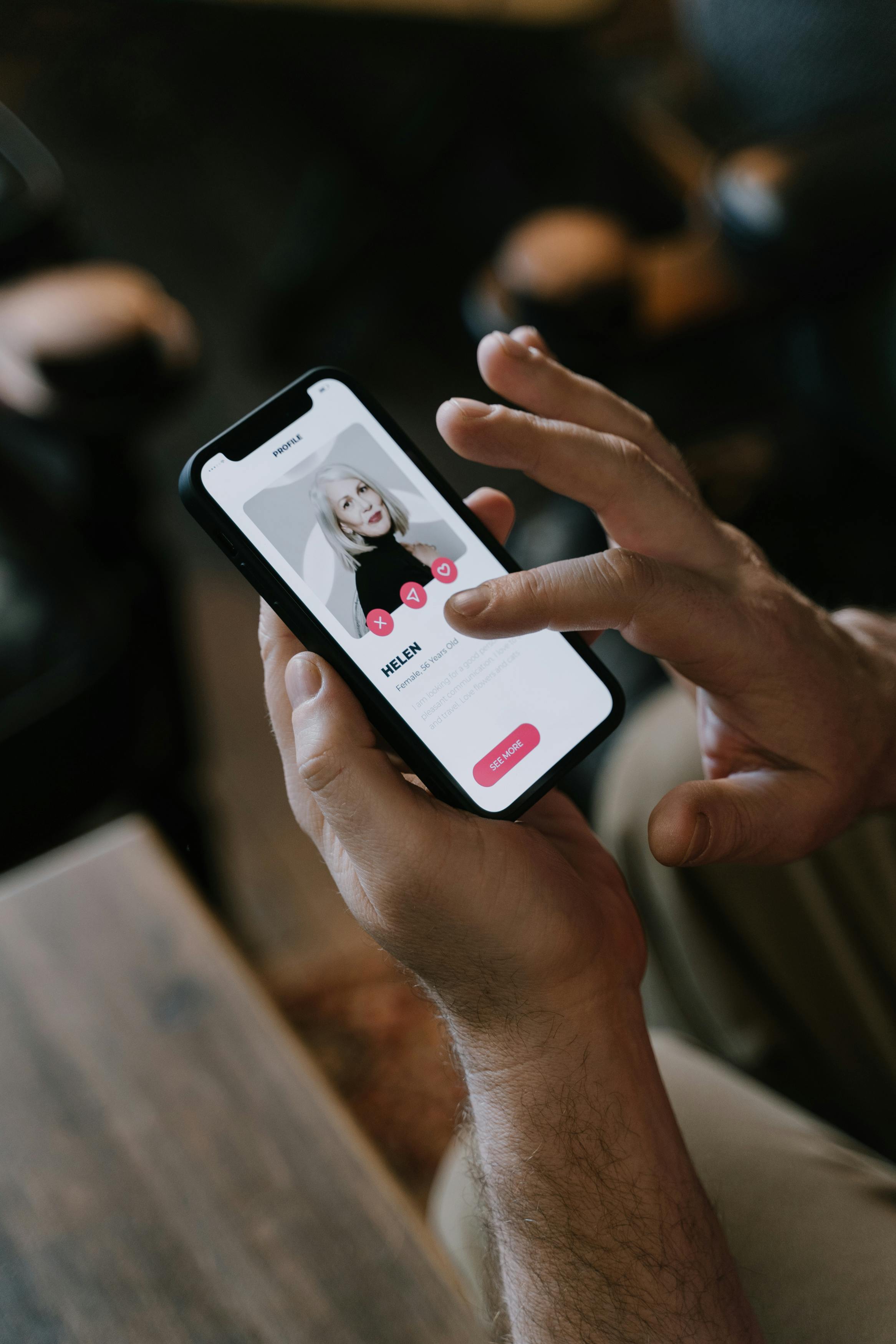
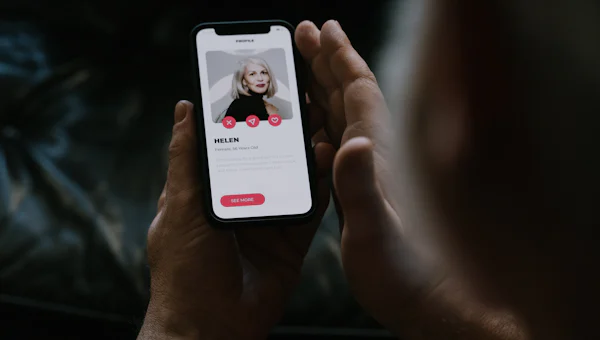
Person using dating app on mobile phone
Research cited in the analysis found that single women in China faced a 74% higher suicide risk five days before Chinese Valentine's Day, whilst married women showed elevated risk of 60–86% around Western Valentine's Day. The pattern repeats across both cultural contexts: romantic expectations peak, platforms amplify the urgency to couple up, and mental health outcomes deteriorate. What the industry has not yet addressed is whether that commercial playbook conflicts with a basic duty of care.
Valentine's Day has become the dating industry's most lucrative emotional pressure point, and the sector has so far treated it purely as a revenue event rather than a safeguarding moment.
The delete-reinstall cycle described in BMJ research is a textbook indicator of problematic use—yet dating apps lack the intervention features, usage limits, or friction points now standard in gaming and gambling. If platforms profit from urgency and anxiety, they cannot credibly claim ignorance when those same forces drive harmful outcomes. The question is no longer whether dating apps affect mental health. It is whether operators will act before regulators force them to.
Enjoying this article?
Join DII Weekly — the dating industry briefing, delivered free.
Problematic use looks like addiction, but platforms treat it like engagement
Research published in BMJ Public Health found that problematic dating app use—defined as compulsive checking, repeated deletion and reinstallation, and loss of control over behaviour—correlates with increased depressive symptoms and impulsivity. Dr. Hannah Nearney, UK Medical Director at Flow Neuroscience, described the pattern bluntly: 'Obsessive app use is not just about how often someone swipes; it shows up as an intrusive, distressing, and repetitive preoccupulation which leads to losing control over our behaviour.'
The delete-reinstall cycle is particularly telling. In addiction research, this behaviour signals an inability to moderate use despite negative consequences. Gaming apps now deploy cooldown periods and usage reminders. Gambling platforms are required by the UK Gambling Commission to offer self-exclusion tools and affordability checks. Dating apps do neither.
Anxious person staring at phone screen
Studies from Flinders University show that dating app users report higher levels of anxiety and depression compared to non-users, driven by experiences including ghosting, rejection, and what clinicians term 'ambiguous situationships'. Frequent negative interactions compound emotional exhaustion and erode self-esteem. The causal direction remains debated—people with pre-existing mental health challenges may use apps more problematically—but the association is consistent across multiple studies.
What is not debatable is that platforms have designed for engagement, not wellbeing, and the features that maximise time-on-app are the same ones that correlate with psychological harm.
Bumble introduced a 'take a break' feature in 2021, allowing users to pause their profile without deleting the app. Usage data has not been disclosed. Hinge added prompts encouraging users to 'take the conversation offline'. Neither platform has published impact assessments. The features exist, but there is no evidence they are prominently surfaced during high-pressure periods like Valentine's, when problematic behaviours spike.
Valentine's as a commercial accelerant
Dating apps treat mid-February as a revenue opportunity, not a safeguarding risk. Premium subscriptions, boost purchases, and roses-and-likes bundles are all promoted heavily in the lead-up to 14 February. Bumble Premium offers 'unlimited likes' and 'rematch with expired connections'. Tinder Platinum includes a 'message before matching' feature designed to increase desperation-fuelled spending. Hinge's 'Roses' feature—available for purchase—signals heightened interest, monetising the very validation-seeking behaviour clinicians identify as harmful.
The commercial logic is straightforward: singles feel acute pressure to find a partner before Valentine's Day, and platforms respond by selling solutions to that pressure. But the same urgency that drives conversions also drives the compulsive behaviours linked to worsening mental health. Platforms are profiting from a cycle they helped create.
According to the Sylvia Brafman analysis, the societal narrative that equates love with partnership intensifies around Valentine's, creating what Dr. Nearney describes as pressure to enter unfulfilling relationships simply to validate oneself. Dating apps do not create that narrative, but their product design—endless choice, gamified matching, algorithmically surfaced profiles optimised for engagement—amplifies it. The result is a user base that feels simultaneously overwhelmed by options and desperate to settle, a combination that research shows worsens both anxiety and impulsivity.
Stressed person holding head in frustration
The suicide risk data, whilst drawn from Chinese research on culturally specific Valentine's celebrations, points to a broader pattern: romantic holidays function as deadlines, and deadlines create crises for those who feel they are failing. Dating apps could mitigate that pressure by reducing promotional intensity, surfacing mental health resources, or introducing friction for users exhibiting compulsive behaviours. Instead, they do the opposite.
Regulatory pressure is coming, but slowly
The UK Online Safety Act (OSA) requires platforms to assess foreseeable risks of harm and take steps to mitigate them. Dating apps fall within scope, but Ofcom's enforcement has so far focused on illegal content and child safety. Mental health harms linked to design choices remain largely unaddressed. The EU Digital Services Act (DSA) similarly emphasises systemic risk assessments, but it is unclear whether problematic app use during predictable high-pressure periods would qualify as a 'systemic risk' under current guidance.
Investors have so far shown little interest in these questions. MTCH trades at roughly half its 2021 valuation, but analyst concerns centre on user growth and ARPU, not duty of care. BMBL's stock has collapsed 80% from its IPO price, driven by competitive pressure and slowing subscriber numbers. Mental health litigation is not yet a material risk factor in equity research notes, but that may change if platforms face legal claims tied to foreseeable harm during emotionally volatile periods.
The precedent is instructive. Social media platforms initially dismissed concerns about adolescent mental health, then faced Congressional hearings, state lawsuits, and reputational damage. Dating apps are smaller, less politically salient, and serve adults rather than minors—but the logic is the same. If platforms know that certain behaviours correlate with psychological harm, and if they actively promote those behaviours during predictable high-risk periods, they may struggle to claim ignorance if litigation follows.
The industry's current position—that dating apps are neutral tools, and that user behaviour is a personal responsibility issue—will not survive contact with the evidence base now emerging. Survey data showing 78% of users reporting dating app burnout, combined with findings that 75% repeatedly delete and reinstall apps, points to systemic design failures rather than individual user choices. Operators have a narrow window to act before regulators or courts impose solutions that may be far blunter than necessary.
Dating platforms must decide whether to implement safeguarding measures during high-pressure periods like Valentine's Day, or wait for regulators to impose them—the evidence base linking app design to mental health harm is now too substantial to dismiss
The delete-reinstall cycle and problematic use patterns mirror addiction behaviours seen in gaming and gambling, yet dating apps lack the intervention tools now standard in those sectors
Investors and operators should watch for regulatory action under the Online Safety Act and Digital Services Act, as well as potential litigation following the social media mental health precedent—particularly if platforms continue monetising anxiety during predictable crisis periods