PositiveSingles' Celebrity Tier: Privacy Pitch or Desperation Play?
·6 min read
PositiveSingles, an STD-focused dating platform, has launched a lifetime membership tier explicitly targeting celebrities and public figures
The company claims over two million members but provides no evidence that public figures actually use the service
Lifetime membership tiers are rare in mainstream dating, with Match Group having abandoned them years ago and Bumble never offering them
A 2019 cybersecurity report found multiple STD-focused dating sites, including platforms in PositiveSingles' ownership network, suffered data breaches exposing health status information
PositiveSingles, a dating platform for people with STDs, has introduced a lifetime membership tier that it says is 'designed with high-profile individuals such as celebrities and public figures in mind', according to a press release issued this week. The move marks one of the rare instances where a health-status disclosure platform has explicitly positioned itself as a premium privacy service for wealthy users. But the announcement raises more questions than it answers about actual celebrity demand, the platform's user verification practices, and whether this represents genuine product-market fit or aspirational marketing.
The company describes itself as a 'leading dating and support platform' for people living with STDs, including herpes. But the press release offers no evidence that public figures actually use the service, nor does it disclose pricing, membership features, or what specific privacy protections justify a lifetime commitment to a platform in a category plagued by data breach concerns and fake profile complaints.
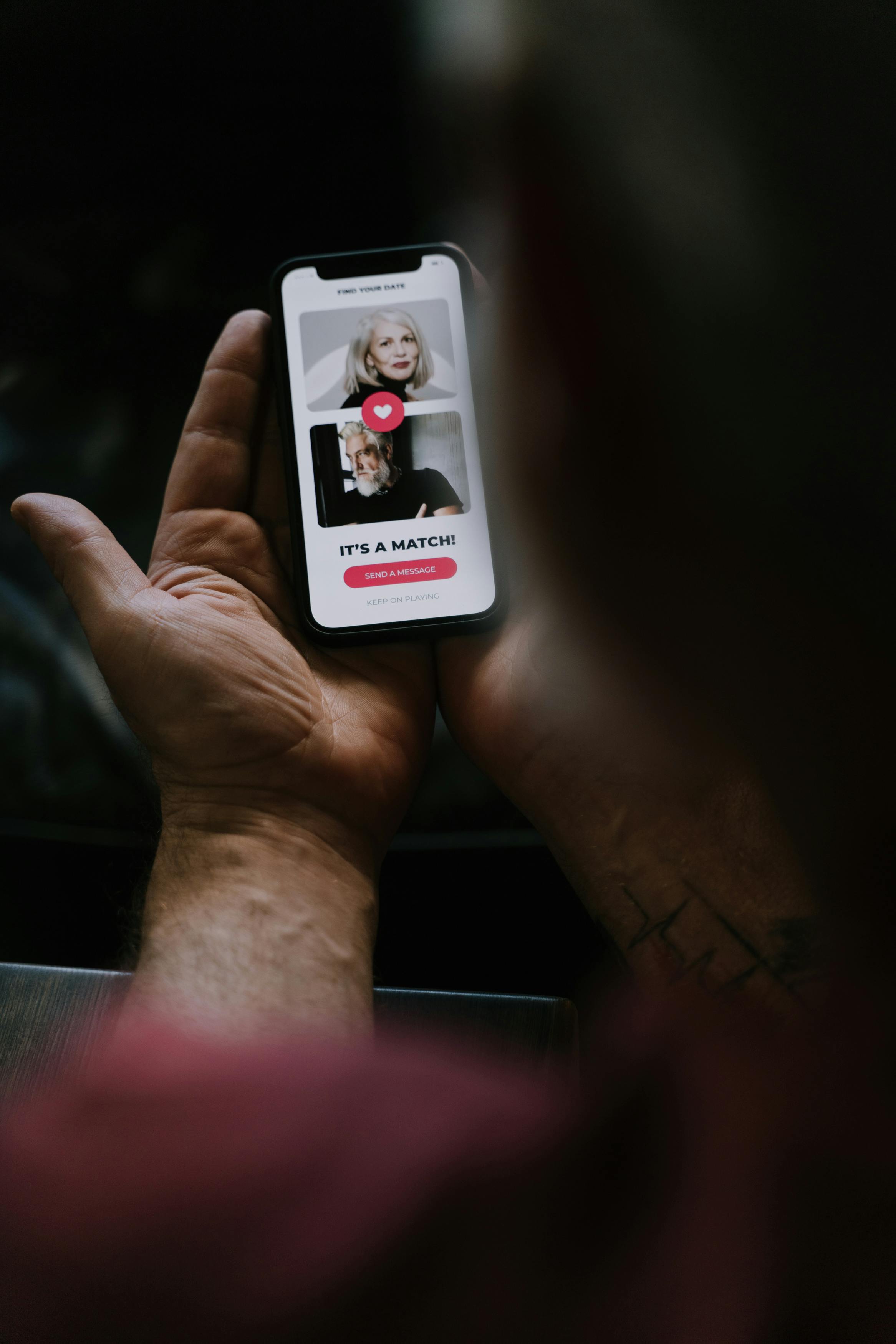
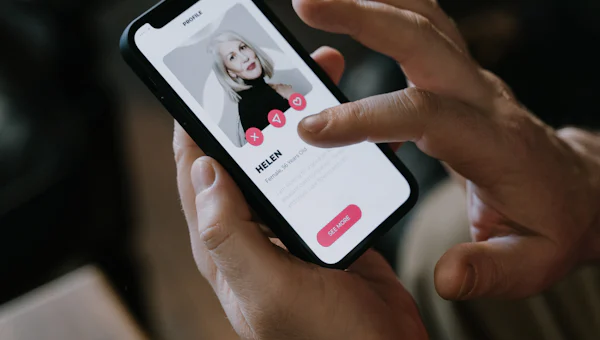
Person using smartphone dating application
The DII Take
This feels less like a response to documented celebrity demand and more like a strategic play to borrow credibility from a user segment that may not exist on the platform. Lifetime memberships in dating apps typically signal either cash-flow desperation or a pitch to users with extraordinary privacy concerns—think Ashley Madison's pre-breach model. Without transparency on what this tier actually offers, or evidence that public figures are using PositiveSingles in meaningful numbers, operators should read this as a marketing manoeuvre, not a sector trend.
Enjoying this article?
Join DII Weekly — the dating industry briefing, delivered free.
Lifetime Memberships: Revenue Play or Privacy Premium?
Lifetime membership tiers are uncommon in mainstream dating, where subscription revenue depends on churn and reactivation cycles. Match Group (MTCH) abandoned lifetime options years ago. Bumble (BMBL) has never offered them. The model persists primarily in two contexts: platforms desperate for upfront cash, or services targeting users who fear exposure and are willing to pay a premium for long-term anonymity assurances.
PositiveSingles positions the lifetime tier as a solution for individuals who 'require enhanced privacy and long-term reliability'—language that implies the platform is marketing not just discretion, but a vault.
That's a pitch with obvious appeal to anyone whose career or reputation could be damaged by health-status disclosure, intentional or otherwise. But the reality of health-status dating platforms complicates that pitch.
This category has faced scrutiny over data handling practices, with past incidents involving health information exposure and questions about profile authenticity. A 2019 report by cybersecurity researchers found that multiple STD-focused dating sites, including platforms in the same ownership network as PositiveSingles, had suffered breaches that exposed usernames, email addresses, and health status data. The sector has also contended with allegations of fake profiles used to drive engagement—a practice that undermines the very trust these platforms claim to offer.
Against that backdrop, a lifetime membership represents a substantial commitment. Without clarity on what specific security features, data handling protocols, or verification processes justify the investment, the offering reads as remarkably thin on operational detail.
Privacy and security concept with padlock
Celebrity Targeting Without Celebrity Evidence
The most striking element of the announcement is its explicit focus on 'high-profile individuals such as celebrities and public figures'. The framing is careful—'designed with' rather than 'used by'—but the implication is clear. PositiveSingles wants to be seen as the platform of choice for people whose health-status disclosure could become tabloid fodder.
There's no evidence provided that celebrities actually use the service. No testimonials, no anonymised case studies, no partnerships with publicists or talent management firms. The announcement offers aspiration, not proof. That matters, because the credibility of a privacy-focused platform rests on its ability to demonstrate that it protects high-stakes users, not just that it wants to.
If the premise is that STD status requires hiding, and that public figures in particular need a premium service to avoid exposure, the message is less 'this is a respectful community' and more 'this is something you should pay to keep secret'.
What the Market Actually Looks Like
PositiveSingles operates in a small but persistent niche. Health-status disclosure dating platforms serve users who want to avoid the anxiety of mid-relationship disclosure conversations, or who have faced rejection after revealing their status on mainstream apps. The category includes PositiveSingles, MPWH (Meet People With Herpes), and a handful of smaller sites, many of which share backend infrastructure and ownership.
Market size data is scarce. PositiveSingles claims over two million members, though the company does not break out active versus registered users, nor does it disclose revenue or subscriber counts. Competitors in the space are privately held and similarly opaque. What's clear is that this is not a high-growth category attracting venture investment or acquisition interest.
Business analytics and market data
The introduction of a lifetime tier does not change that positioning. If anything, it suggests the company is optimising for revenue extraction from existing users rather than scaling through acquisition. Lifetime memberships generate immediate cash but eliminate recurring revenue from those subscribers. That trade-off makes sense for platforms with stable, loyal user bases and limited growth prospects—not for services aiming to expand aggressively.
What Operators Should Watch
For dating operators in adjacent privacy-focused categories—discreet affairs platforms, elite matchmaking services, or apps targeting communities with specific privacy concerns—the PositiveSingles move is worth tracking as a signal of how niche platforms are experimenting with monetisation. The lifetime membership model could work in segments where users have high switching costs and where trust is built over years, not months.
But the lack of transparency around what this tier actually offers is a warning. Privacy-focused platforms that want to command premium pricing need to be able to articulate exactly what they deliver: third-party security audits, data minimisation practices, verified identity checks, or legal commitments around data retention. Vague promises of 'enhanced privacy' are not enough, particularly in categories where users have legitimate reasons to fear exposure.
The celebrity framing, meanwhile, is a gamble. If public figures do adopt the platform in meaningful numbers, PositiveSingles will have repositioned itself as the discreet option for high-stakes users. If they don't, the company risks looking like it's borrowing credibility it has not earned—and that could undermine the trust that niche platforms depend on.
Without concrete evidence of celebrity adoption or transparent security features, this appears to be aspirational marketing rather than a documented response to high-profile user demand
The shift to lifetime memberships suggests revenue optimisation for existing users rather than growth strategy, indicating a mature platform in a stable niche market
Privacy-focused dating platforms must provide specific, auditable security commitments beyond vague promises—particularly when targeting users with legitimate exposure concerns and charging premium prices