Smitten's 'Break Up' Campaign: Bold Strategy or Desperation?
·6 min read
Smitten, an Icelandic dating app, launched a provocative campaign in Sweden with slogans like "Just break up" and "You deserve to be single"
Match Group's paying subscriber base declined 6% year-on-year in Q3 2024 to 10.3 million, whilst Bumble fell to 4 million paying users
The campaign deployed across Stockholm's public transport, university campuses, social media and podcasts in late January 2025
No independent metrics have been disclosed to verify Smitten's claims of "significant organic sharing"
When a dating app tells you to break up and celebrates being single, it's either radical honesty or marketing desperation. Smitten, a minor Icelandic player attempting to crack Sweden's crowded dating market, has plastered Stockholm with messages most platforms wouldn't touch: championing breakups and permanent singledom as liberation rather than failure. The campaign raises an uncomfortable question the industry has long avoided: when your revenue depends on keeping people single and subscribed, how honest can you afford to be about it?
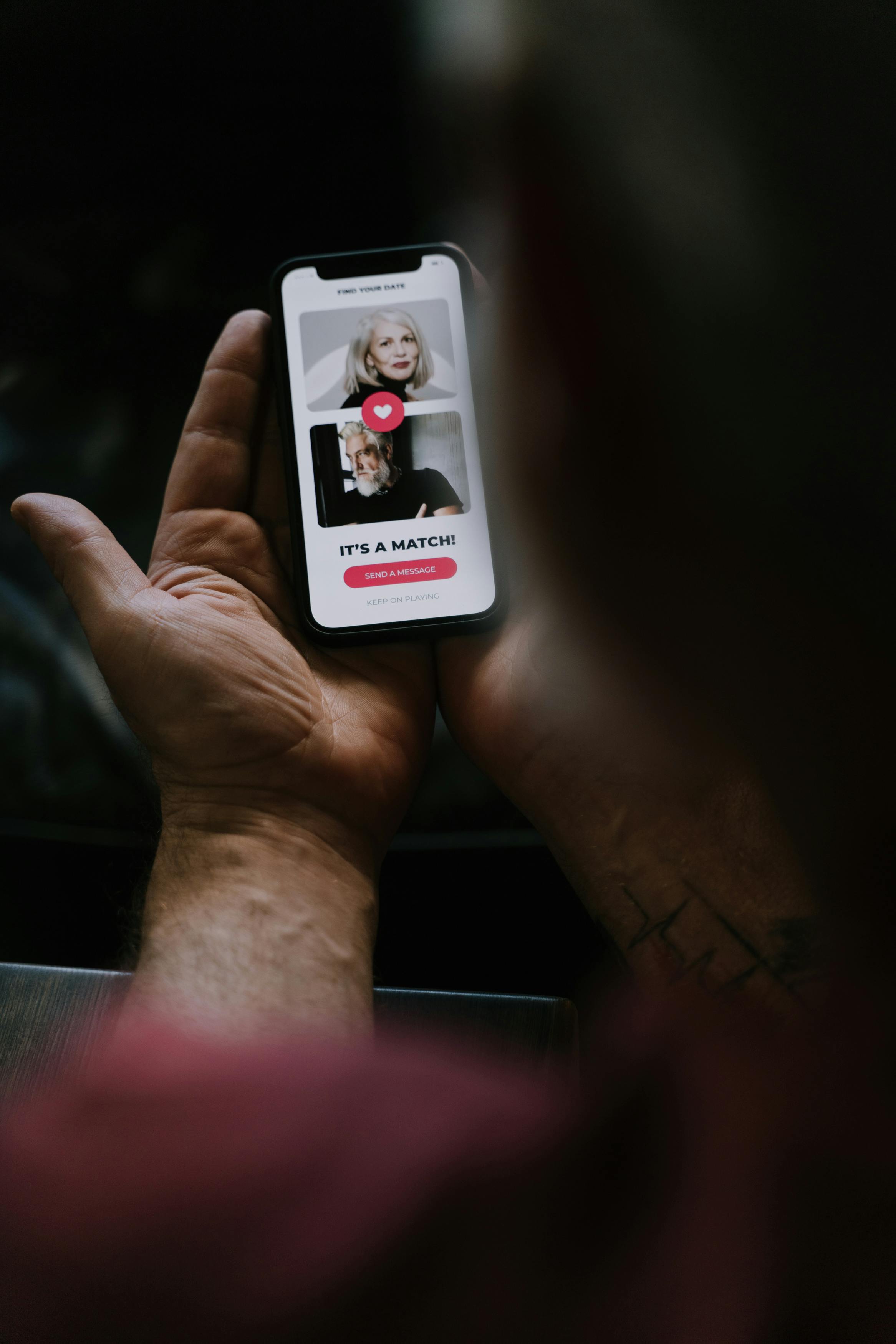
Person using mobile dating app
The campaign, deployed in late January via agency Make Your Mark, runs across buses, subway stations, social media and podcasts. Country manager Veronika Kylbergh frames the messaging as an intervention against "unhealthy behaviours that have become normalised" in modern dating. According to Kylbergh, response has been "strong" with "significant organic sharing", though no metrics have been disclosed to verify the claim.
This isn't feel-good dating app marketing. It's deliberate provocation targeting a demographic already sceptical of traditional relationship scripts. The timing matters: late January sits in the aftermath of New Year relationship evaluations and the run-up to Valentine's Day, when dating app installs historically spike.
Enjoying this article?
Join DII Weekly — the dating industry briefing, delivered free.
The DII Take
This campaign is either brilliant positioning or desperation advertising dressed up as brand purpose, and probably both. Smitten is a minor player from Iceland trying to compete with Match Group and Bumble properties that already own the Swedish market. Provocative creative is cheap differentiation when you can't compete on install base or engineering resources.
If championing singledom as empowerment resonates with burnt-out users, it could signal the early stages of a post-romance positioning shift across the category — one that acknowledges what operators already know but rarely admit: their financial health depends on sustained single life, not happily-ever-afters.
Selling the Problem, Not the Solution
Dating platforms have long walked a careful rhetorical line. The product promise is connection, romance, relationships. The business reality is that coupled-up subscribers cancel their accounts.
What's unusual here is that Smitten appears to be repositioning singledom not as the problem the app solves, but as a desirable state the app celebrates. "Single life is not a failure; it can rather be an active and very liberating choice", Kylbergh said in the press release. "Being single can be playful, social, and full of unexpected encounters, without the demand that something must last 'forever'."
Stockholm public transport advertising
That framing inverts decades of category convention. Tinder sells spontaneity and abundance. Hinge bills itself as "designed to be deleted". Bumble spent years positioning itself around women's empowerment in dating contexts. But championing breakups and permanent singledom as positive outcomes? That's new territory.
Placement on university campuses targets demographics already sceptical of long-term commitment norms and more receptive to counter-cultural messaging about relationship structures. Match Group has never disguised the tension between product promise and business reality — its investor materials describe paying subscribers as the core monetisation metric, and sustained engagement matters more than relationship outcomes.
Context or Cynicism?
Whether this represents authentic brand values or opportunistic shock marketing depends largely on what Smitten does next. If the campaign is a one-off attention grab before reverting to standard romance-sells creative, it's theatre. If it's the foundation for a sustained positioning around singles culture as lifestyle rather than life stage, it could carve out genuine differentiation.
The broader industry context makes the second scenario harder to dismiss. Dating app fatigue is well-documented. Subscriber growth has slowed across major platforms. Match Group's paying subscriber base declined 6% year-on-year in Q3 2024, dropping to 10.3 million. Bumble saw its paying user count fall to 4 million in the same period.
User sentiment research consistently surfaces frustration with algorithmic matching, subscription costs, and what many describe as the "relationship escalator" expectation — the cultural script that dating must progress toward exclusivity, cohabitation, and permanence.
Younger cohorts especially report fatigue with those expectations. If Smitten's messaging lands with that audience, it's because it names something the mainstream apps won't: that sustained single life can be the goal, not the failure state. Grindr remains the outlier with consistent growth, but operates in a structurally different market segment.
Young person looking at phone thoughtfully
But the campaign's claims deserve scrutiny. Kylbergh's assertion that "unhealthy behaviours" have become "normalised" in modern dating is broad and unsubstantiated. Which behaviours? Normalised by whom? The framing positions Smitten as corrective intervention without specifying what it's correcting.
Similarly, the claim of "significant organic sharing" comes only from the company itself, with no independent verification of reach, engagement, or sentiment. Without data, these assertions remain marketing copy rather than evidence of genuine market disruption.
What Operators Should Watch
For dating platforms evaluating their own positioning, Smitten's campaign raises uncomfortable questions. Can you build a sustainable subscription business by actively celebrating the state that generates your revenue? Does championing breakups and long-term singledom expand your addressable market or just give existing users permission to disengage from dating entirely?
The answer likely depends on execution. If the messaging translates into product features that genuinely reduce pressure and improve user experience — lower-stakes matching formats, non-romantic connection options, tools that resist addictive design patterns — it could support retention and word-of-mouth growth. If it's just advertising that contradicts the actual in-app experience, it'll read as cynical within weeks.
The regulatory environment adds another dimension. As trust and safety requirements tighten under frameworks like the UK Online Safety Act and the EU Digital Services Act, platforms are already navigating heightened scrutiny of their user welfare practices. Positioning your brand around breakups and permanent singledom could be read as either responsible acknowledgment of what the platform actually delivers, or as abdication of responsibility for relationship outcomes.
What happens next will clarify whether this is category innovation or a minor player's Hail Mary. If other platforms start testing similar messaging, or if Smitten's install and engagement data show the positioning resonates, it signals a meaningful shift. If the campaign vanishes after one cycle and Smitten reverts to standard romance marketing, it was noise. Either way, the fact that a dating app now considers "you deserve to be single" a viable brand message tells you something about where the market is — and where burnt-out users might be heading.
Watch whether Smitten translates this provocative positioning into actual product features that reduce dating pressure, or whether the messaging contradicts the in-app experience and exposes the campaign as hollow differentiation
Monitor if other dating platforms begin testing similar "pro-single" messaging, which would indicate genuine category shift rather than isolated desperation marketing from a minor player
Consider how regulators may interpret platforms that celebrate sustained singledom — as responsible acknowledgment of actual outcomes, or as abdication of user welfare responsibility under emerging trust and safety frameworks