RAW's Valentine's Campaign Admits: The App Is the Obstacle
·5 min read
RAW's Valentine's Day campaign curates men into pet-adoption-style profile cards, funneling matches directly into hosted group dating events in New York
Women browse and select; men apply to be featured; the app explicitly positions prolonged messaging as the problem and getting offline as the solution
Hosted events compress margins and raise customer acquisition costs compared to software-only models that scale efficiently
The campaign runs through February with plans to expand beyond New York later in 2026
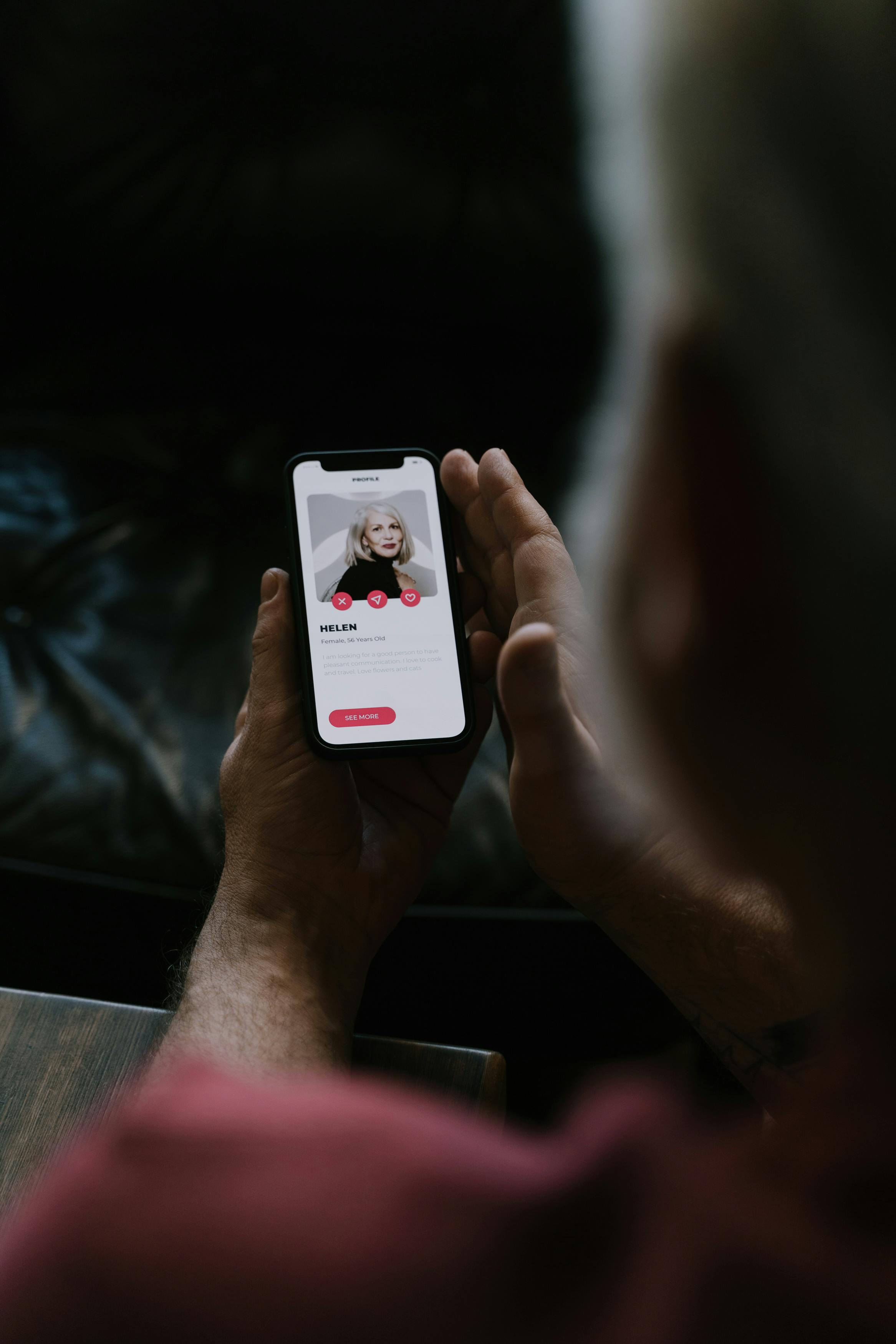
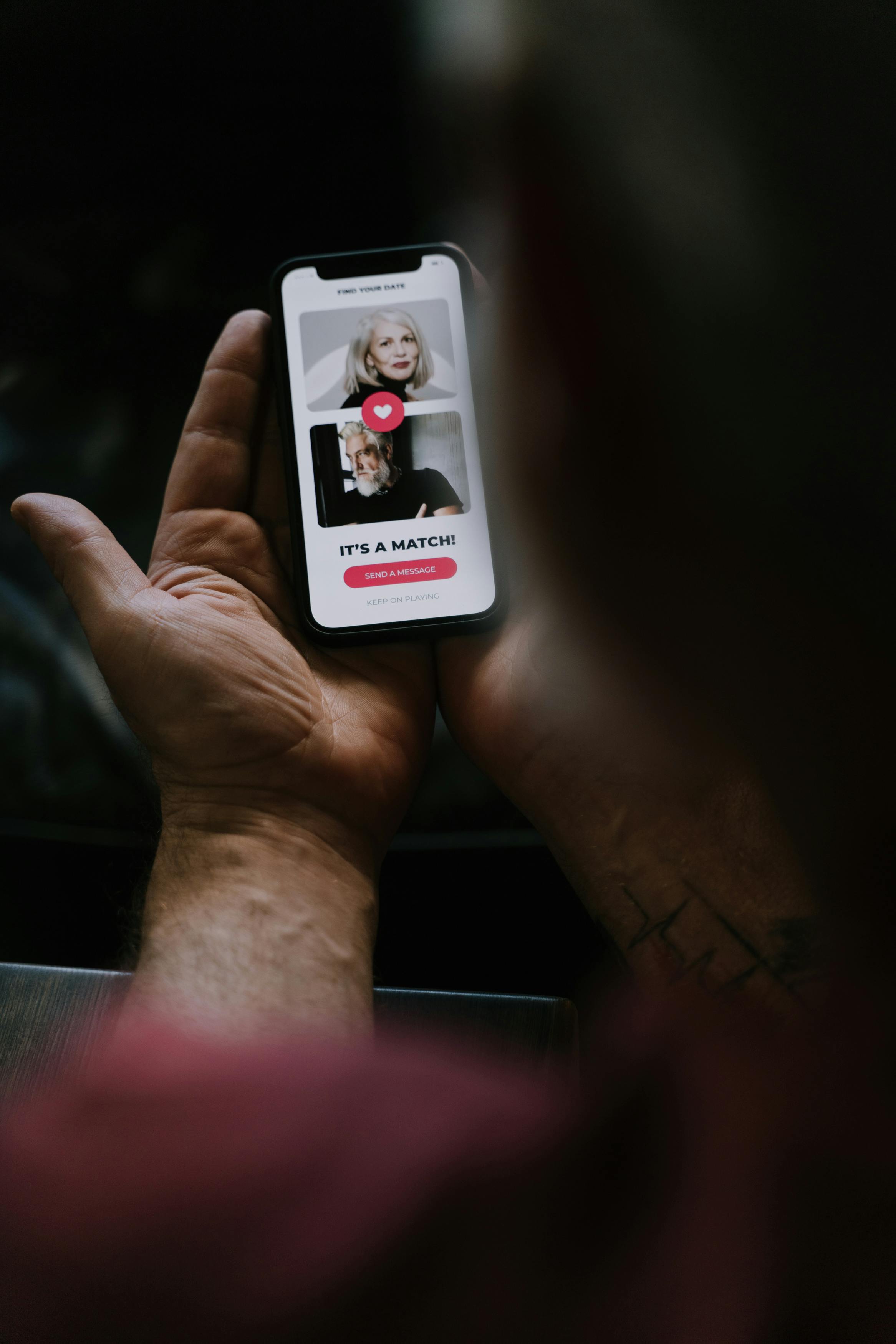
Dating app RAW is running a Valentine's Day campaign that curates men into pet-adoption-style profile cards—complete with tags like 'Athletic Golden Retriever' and 'Software Engineer – Slightly Feral'—and funnels matches directly into hosted group dating events in New York. Women browse the selection, choose who they want to meet, and skip in-app messaging entirely. Strip away the playful framing and what RAW is actually selling here is admission that its core product—the app itself—is the obstacle.
Group of people socializing at a bar event
RAW has dressed up a fundamental tension that's eating the industry: dating apps now market themselves by promising you won't have to use them very much. When your differentiation hinges on reducing time-in-app and eliminating the behaviours (browsing, messaging, re-engagement) that drive metrics investors actually care about, you're not iterating—you're admitting the product is broken. The adoption-card gimmick is cute, but the underlying shift toward offline acceleration and hosted events signals an industry edging closer to cannibalising its own engagement model.
Decision fatigue as marketing copy
RAW frames the campaign as a response to 'common frustrations' with traditional dating apps—specifically decision fatigue, endless messaging, and what the company calls 'emotional labor'. That language isn't new. Bumble has spent the past year talking about burnout. Hinge positions itself around 'designed to be deleted'.
Enjoying this article?
Join DII Weekly — the dating industry briefing, delivered free.
What's shifted is how explicit the solution has become. RAW isn't promising better matching or smarter algorithms. It's promising less app and more bar. The product here is event access and social facilitation, not software.
That's a revenue model that looks more like Eventbrite than Match Group (MTCH).
The campaign runs through February, with plans to expand beyond New York later in 2026, according to the company. Men apply to be featured; women browse and select. Featured men get elevated visibility within RAW and priority access to matchmaking events. The vetting process and selection criteria aren't disclosed, which raises obvious questions about transparency and who decides what constitutes a 'standout' bachelor.
Offline events as retention theatre
Hosted dating events aren't novel. Bumble ran IRL experiences in multiple markets as part of its community-building push. Hinge tested 'Hinge Matchmaker' events. The League has offered members-only mixers for years.
Young adults meeting and chatting at social gathering
The challenge is unit economics. Hosted events don't scale the way software does. They require venue partnerships, staffing, local market knowledge, and inventory management. Margins compress. Customer acquisition costs rise if events become the primary draw rather than the app.
RAW's approach bundles the two: app curation feeds event attendance, and events justify the app's existence. That might work as a retention lever for high-intent users in dense urban markets. But it's hard to see how it supports the kind of growth or engagement metrics that make venture investors excited. Time-in-app goes down. Messaging volume drops.
The gendered structure here is worth flagging. Women select from a curated roster of men who've applied to be featured. That inverts the typical dating app dynamic, where men vastly outnumber women in messaging volume and initiation. For LGBTQ+ users, same-sex couples, or non-binary members, the mechanics either don't apply or require significant adaptation. RAW hasn't disclosed whether the campaign extends beyond heterosexual matching or how it plans to serve the full spectrum of its user base.
When the product is the problem
What's interesting here isn't the campaign itself—it's what the campaign admits. Dating apps have spent a decade training users to swipe, match, message, and ghost. Engagement was the goal. Retention was the metric. The longer you stayed in-app, the better for the platform.
That model is now the thing platforms are actively trying to undo.
Hinge's 'designed to be deleted' was the first public acknowledgment. Bumble's shift toward 'opening moves' and reducing message pressure was the second. RAW's adoption campaign is the logical endpoint: the app as concierge to offline life, not the destination itself.
Couples enjoying conversation at dating event
The implication for operators is uncomfortable. If getting offline faster is the feature, then sustained engagement is the enemy. That works if you're monetising through event fees, premium tiers tied to access, or some hybrid model where the app is a gateway rather than the product. It doesn't work if your revenue depends on subscription renewals driven by daily usage and in-app activity.
Investors tracking MTCH, Bumble (BMBL), and Grindr (GRND) should be watching this tension closely. Match's portfolio still leans heavily on messaging-driven engagement. Bumble is trying to split the difference with community features and offline experiences. Grindr's model depends on high-frequency, location-based usage. None of them have solved the central problem: how do you monetise an experience users want to leave as quickly as possible?
RAW's campaign will likely generate press and some user curiosity. Whether it generates defensible revenue or sustainable retention is another question. The adoption framing is clever, the event mechanic is proven in adjacent markets, and the acknowledgment of user burnout is honest. But the campaign also underscores a deeper industry problem: the product everyone built isn't the product anyone wants to use. The timing is notable too—dating app signups traditionally spike before Valentine's Day, making this campaign particularly strategic. Meanwhile, other platforms are experimenting with their own approaches to authenticity, as seen with Mattr's authentic dating campaign across London, suggesting the industry-wide search for solutions to engagement fatigue continues.
Watch for the revenue model collision: dating apps marketing themselves by reducing time-in-app creates fundamental tension with engagement-driven monetisation that supports traditional subscription models
Unit economics matter more than marketing buzz—hosted events compress margins and don't scale like software, making this model viable only in dense urban markets with high-intent users willing to pay premium access fees
The industry-wide admission that the product is the obstacle signals potential consolidation ahead as platforms search for sustainable models that balance user satisfaction with investor expectations for growth and retention